
How do I decide on bubble tea prices?

Bubble tea is gaining popularity worldwide. The different flavours, popping balls and combinations… there's just nothing like bubble tea's level of customisation. But how do we set a price with all this customisation?
What Affects the Price of Bubble Tea?
Bubble tea prices can vary quite a bit. Not just from one city to another, but many factors play a role. In the UK, you’ll typically pay anywhere from £3.50 to £5.50 per cup, though speciality or premium drinks can cost more.
So what’s behind those numbers? Let’s break it down below.
What’s in the Cup Matters
The core of bubble tea pricing starts with the ingredients. The higher the quality of your supplier's ingredients, the higher you can put your bubble tea prices, within a fair range.
-
Tea Bases: The drink usually starts with a base of black, green, jasmine, or oolong tea. Loose-leaf, high-grade teas cost more than mass-produced blends, but they also deliver richer flavour and aroma.
-
Tapioca Pearls: Classic boba is fairly affordable, but if you opt for flavoured, coloured, or premium pearls, expect the price to rise slightly.
-
Flavourings and Toppings: From taro and matcha to mango popping boba, these flavourings vary widely in cost. For instance, authentic matcha powder is much more expensive than basic fruit syrups.
Bottom line? High-quality ingredients lead to a better drinks customers want to come back for, as long as the price is fairly reasonable.

More Than Just the Drink
The costs of running a bubble tea shop go well beyond ingredients. They also include rent and utilities, labour and equipment costs.
Rent and Utilities
Location matters. A shop in central London will pay significantly higher rent than one in a quieter suburb. Utilities like water, electricity, and gas also contribute, especially with energy-heavy equipment like brewers, blenders, and refrigerators.
Labour
Making bubble tea isn’t as simple as it looks. Staff need to be trained in equipment use, hygiene standards, and customer service. And wages, benefits, and training costs all add up too. You can start off with getting 1 or 2 staff members trained in bubble tea. They can then train the rest of the staff moving forward.
Specialised Equipment
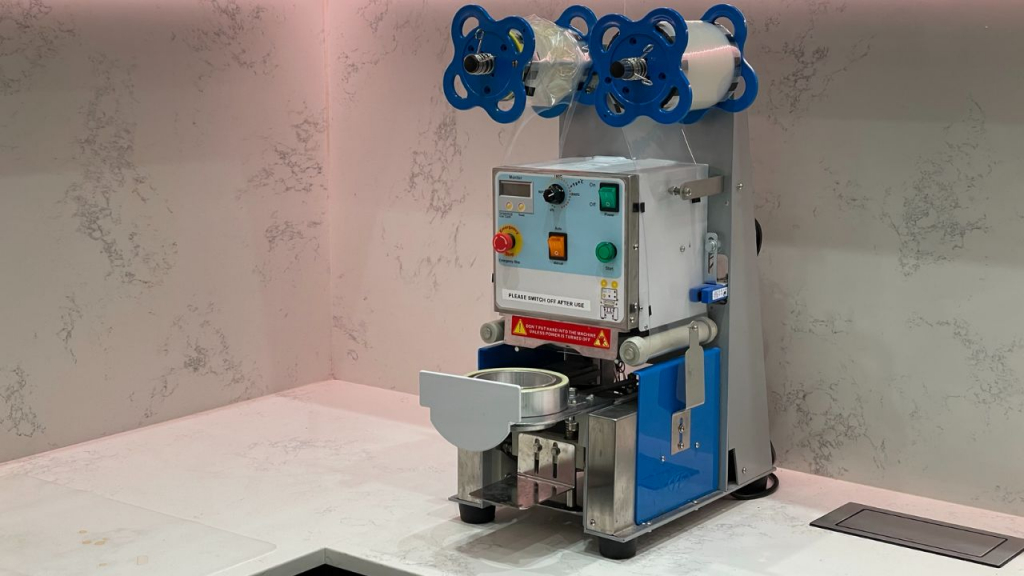
From cup sealers and tea shakers to syrup dispensers, bubble tea shops rely on machines to create consistency and speed. These tools require significant investment, plus ongoing maintenance, all of which affect overall pricing.
The Role of Branding
A bubble tea shop’s brand identity can also shape how drinks are priced. Shops with trendy interiors, high-quality packaging, and a strong social media presence often charge more. Customers aren’t just paying for the drink. They’re paying for an experience.
Smart Pricing Strategies
If you’re running or launching a bubble tea business, here are some strategies to help you price effectively:
-
Calculate the cost per cup: ingredients, labour, rent, and utilities. Then build in a healthy profit margin.
-
Cutting corners on ingredients might save money short term, but poor-quality drinks will lose loyal customers. Invest in quality. It pays off in the long run.
-
Look at what local competitors are charging. If your product is superior, don’t be afraid to price slightly higher, but make sure it’s ustified.
-
Promotions like “Buy One, Get One Free” during off-peak hours can boost sales volume and attract new customers without hurting profits.
For the Consumer: What Are You Really Paying For?
If you’re a bubble tea lover, here’s how to get the best value from your purchase:
-
Ask About Ingredients. Shops that are transparent about their ingredients often take more pride in what they serve. If they use premium matcha or organic milk, it’s likely worth the extra cost.
-
Portion Size Matters. A larger drink with extra toppings might cost more, but it may offer better value overall.
-
Consider Brand Reputation. Paying a little extra for a drink that’s consistently good, served in a clean, stylish environment, and backed by great service is often worth it.

Final Thoughts
The price of a bubble tea drink is about more than just tea and tapioca. Behind every cup is a mix of ingredient quality, operational costs, branding strategy, and local market forces. For business owners, understanding these factors is essential to setting fair, profitable prices. For consumers, being aware of what goes into your drink can help you enjoy it even more.
So the next time you sip your favourite bubble tea, remember you’re tasting more than just flavour. You’re experiencing the result of thoughtful choices, both behind the counter and in front of it.