
About the bubbles in bubble tea
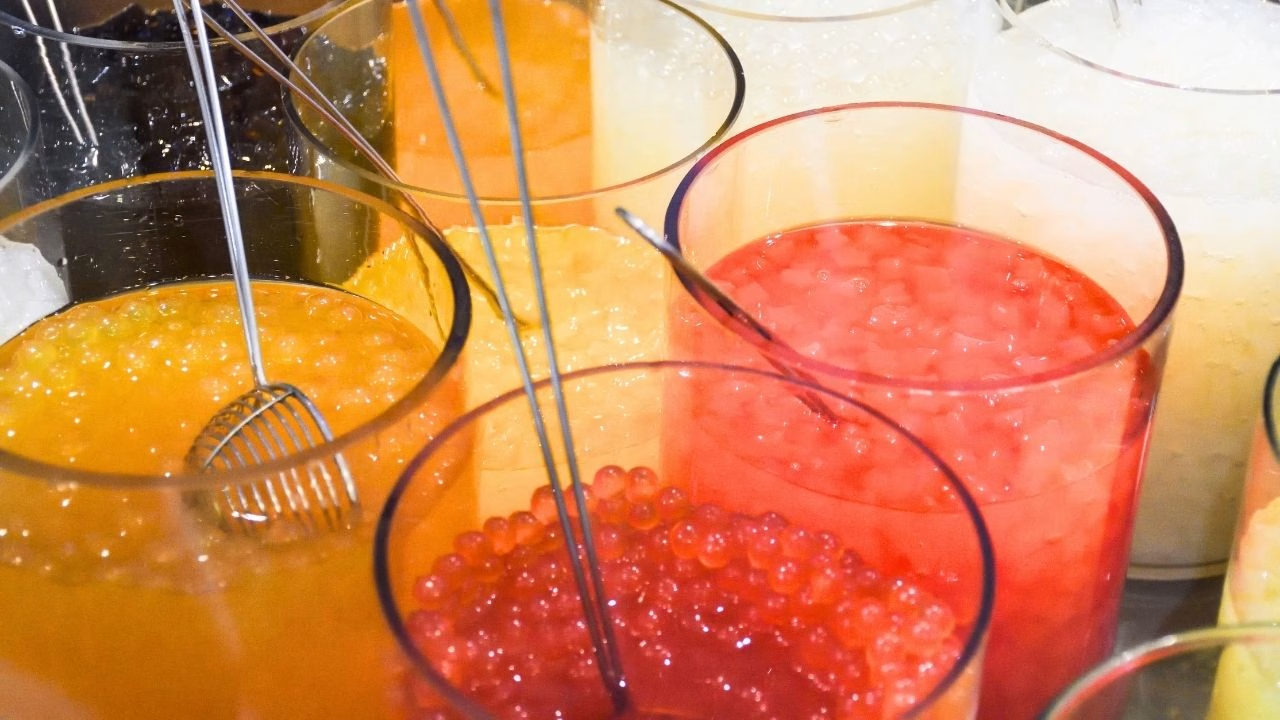
What are the bubbles in bubble tea made of?
Bubble tea, also called boba tea, has captured the attention of people around the world. Its colourful presentation, playful textures, and endless customisation make it irresistible. One of the most exciting features of boba tea is the “bubbles” at the bottom of the cup. But what are these bubbles made of? Let’s explore.
Two Types of Bubbles
Bubble tea uses two main types of bubbles: tapioca pearls and popping boba.
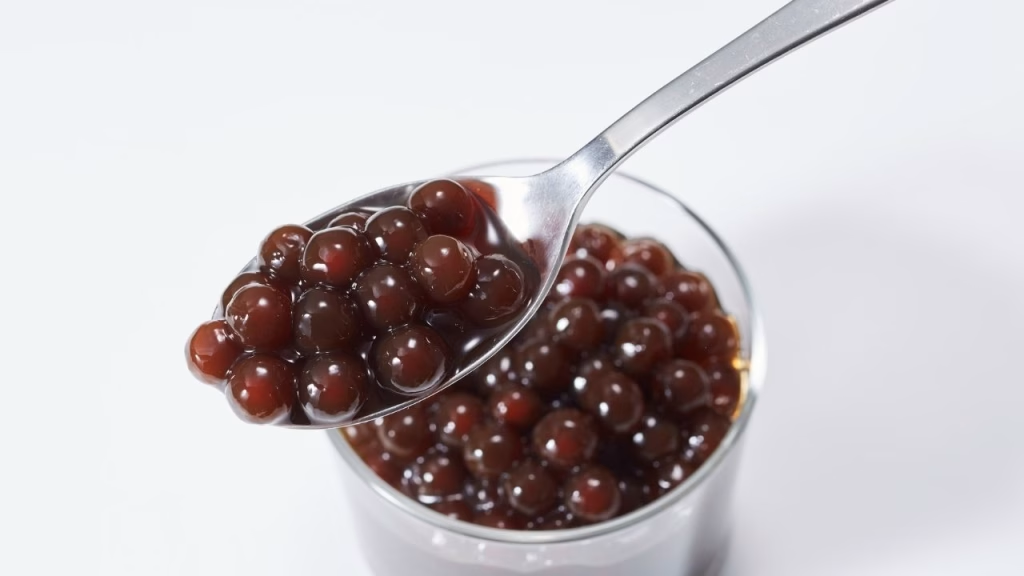
1. Tapioca Pearls
Tapioca pearls consist of cassava root starch, water, and sometimes sugar. They provide a chewy, slightly sweet texture that pairs perfectly with milk teas and traditional boba tea flavours.
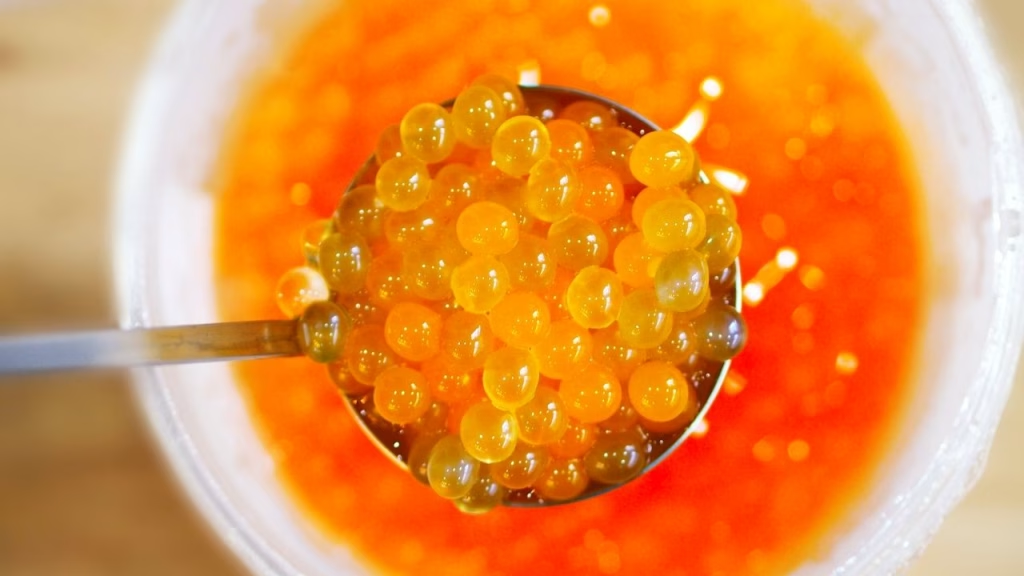
2. Popping Boba
Popping boba consists of fruit juice, water, sodium alginate, and calcium salts. The spheres have a thin gel-like shell that bursts when you bite into them. People often use popping boba in fruit teas and creative bubble tea recipes.
Both types of bubbles create the interactive and fun experience that makes bubble tea so popular.
How Tapioca Pearls Are Made
People make tapioca pearls by combining cassava starch with water and sugar to form a dough. They shape the dough into small balls and boil them until they become chewy and translucent. After boiling, they cool the pearls and add sugar if needed. These chewy pearls provide a neutral base that enhances milk teas and classic bubble tea flavours.
How Popping Boba Is Made
Chefs create popping boba using a technique called spherification, which forms a thin gel around liquid juice. They mix fruit juice with sodium alginate and let it rest to remove foam. Then they drop the mixture into a calcium solution, which quickly forms a gel shell. After about a minute, the spheres are ready to enjoy. Popping boba bursts with flavour when bitten, creating a playful contrast with chewy tapioca pearls.
Flavours and Varieties
Tapioca pearls usually come in classic flavours such as regular or brown sugar. Popping boba offers a wide variety of flavours. People enjoy strawberry, lychee, mango, peach, and passion fruit. More unusual flavours include kiwi, honeydew, and pomegranate. Unique options such as yogurt, honey, or chocolate also exist. Many bubble tea shops allow customers to combine both types of bubbles to create personalised drinks.
Other Uses
Chefs and home creators use bubbles in desserts such as ice cream, puddings, and cakes. Bartenders add them to cocktails and mocktails to enhance texture and flavour. People constantly experiment with new flavours and combinations, showing that both tapioca pearls and popping boba have versatile culinary uses.
Why Bubbles Matter
They add texture, fun, and excitement to bubble tea. They allow customers to customise drinks and create unique combinations. Their visual appeal makes bubble tea perfect for social media. The ability to mix flavours, textures, and types of bubbles keeps customers coming back and trying new recipes.
Conclusion
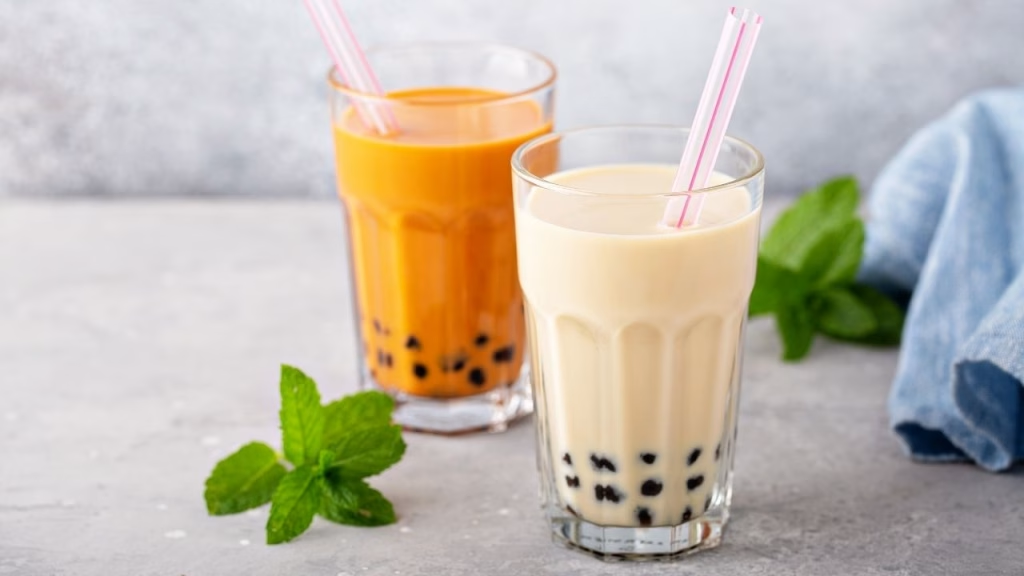
The bubbles in bubble tea include chewy tapioca pearls and juice-filled popping boba. Tapioca pearls give a classic texture, and popping boba delivers a fruity burst. Both types create the interactive and playful experience that defines bubble tea. Understanding what these bubbles are made of and how they are made lets fans and shop owners appreciate every cup and all the creativity behind this globally loved drink.