
Does bubble tea have caffeine? If so, how much caffeine in bubble tea?
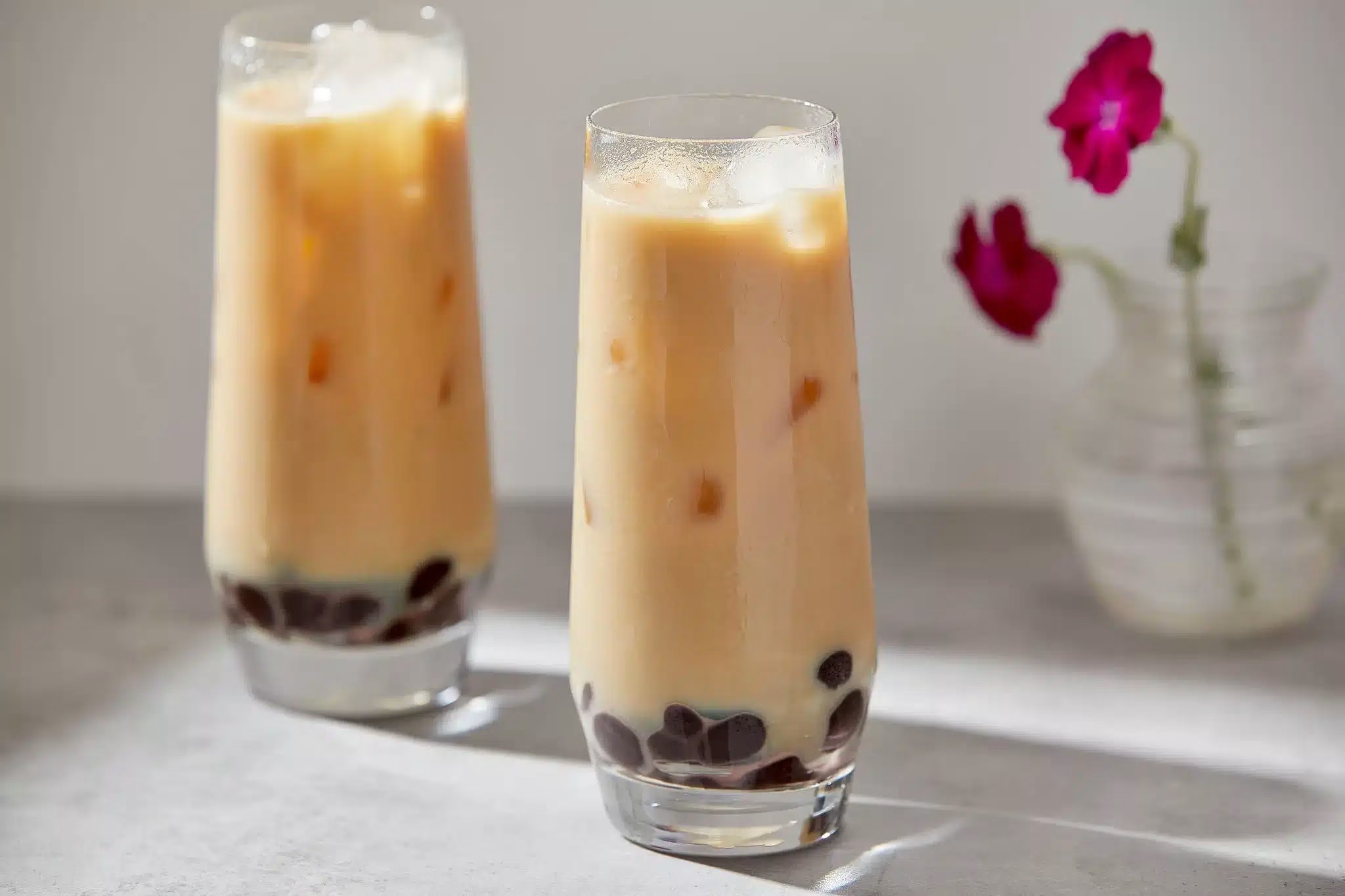
If you’ve ever wondered how much caffeine is in bubble tea, you’re not alone. As the leading supplier and distributor of bubble tea and Taiwanese groceries, we understand the importance of knowing what goes into your drink.
What influences the level of caffeine in bubble tea?
The level of caffeine in bubble tea is mainly influenced by the tea used. A peer‑reviewed study published in the Journal of Food Protection analysed over 100 bubble tea beverages sold in Taiwan and reported caffeine levels ranging from approximately 10mg to more than 450mg per liter. This significant variation is largely influenced by the type of tea used, the brewing strength, and the size of the drink. So bubble tea can range from a relatively low‑caffeine beverage to one that contains more caffeine than a typical cup of coffee, depending on preparation and ingredients.
1) Type of tea
The kind of tea used is one of the biggest factors. Black tea typically contains more caffeine than green or oolong tea, so choosing a tea base directly impacts the final caffeine level. This due to the way these types of teas are processed and fermented. Fully fermented teas, like black tea, release caffeine differently than lightly oxidized oolong or green teas, influencing how strong the final drink is.
2) Tea variety or cultivar
Not all tea plants are the same. Some cultivars naturally have higher caffeine content, while others are milder.
Caffeine levels in bubble tea depend largely on the type of tea used as the base. Green tea contains moderate amounts of caffeine. It is generally lighter than black tea but stronger than wild ancestral tea species. Factors such as the specific cultivar, growing conditions, and brewing method can also influence the exact caffeine content. (Gao et al., 2024; Wei et al., 2022)
Oolong tea, which is partially fermented, usually falls between green and black tea in terms of caffeine content. Its caffeine levels are affected by the degree of oxidation, the cultivar used, and processing techniques. This makes oolong bubble teas a balanced choice for those who want a moderate caffeine boost without the intensity of black tea. (Sethi et al., 2021)
Black tea has the highest caffeine content among the three common tea bases. This is why bubble teas made with black tea tend to have the strongest stimulating effect. As with the other teas, caffeine can vary depending on the specific cultivar and preparation method, but black tea remains the go-to option for maximum caffeine in your drink. (Gao et al., 2024; Wei et al., 2022)
3) Brewing methods
Brewing also plays a crucial role. Water temperature, steeping time, and the ratio of tea leaves to water all determine how much caffeine ends up in the cup. Hotter water or longer steeping extracts more caffeine, while weaker brews contain less.
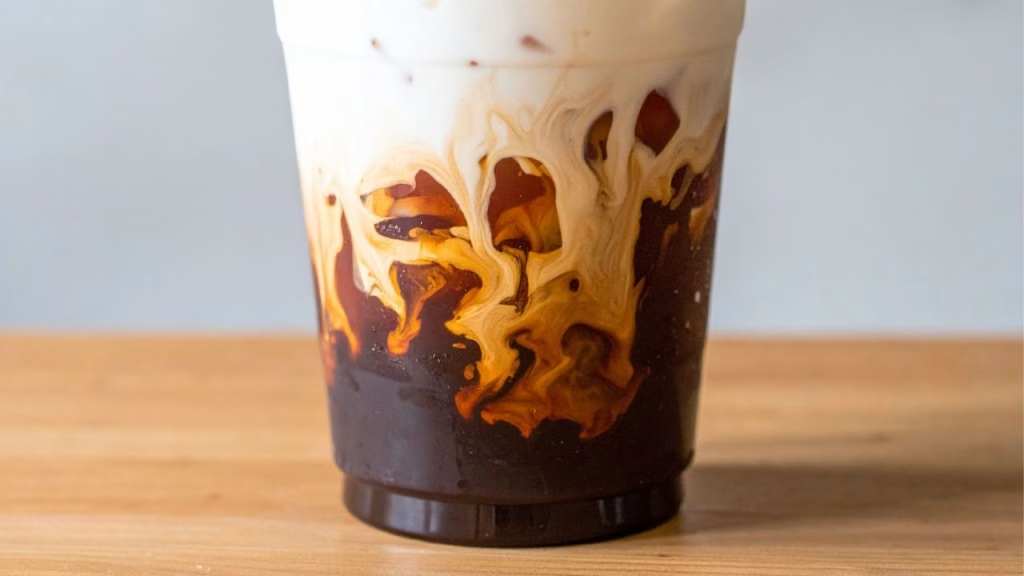
Which bubble tea ingredients contain caffeine?
So, aside from tea leaves and tea- or coffee-flavoured powders, most bubble tea ingredients do not contain caffeine. This means that a flavoured milk tea made without a tea base is usually caffeine-free. Classic milk teas and fruit teas, on the other hand, do contain caffeine. See a breakdown of bubble tea ingredients per type of bubble tea (classic milk tea, flavoured milk tea and fruit tea) below.
A) Classic milk tea ingredients:
- Tea Base – has caffeine
- Creamer
- Sugar Syrup
- Flavoured powders – no caffeine, unless the powder explicitly contains tea or coffee extracts (e.g. Thai tea powder and mocha flavoured powder)
- Tapioca Pearls (Boba)
B) Flavoured milk tea ingredients:
- Water Base
- Creamer
- Sugar Syrup
- Flavoured powders – no caffeine, unless the powder explicitly contains tea or coffee extracts (e.g. Thai tea powder and mocha flavoured powder)
- Tapioca Pearls (Boba)
C) Fruit tea ingredients:
- Tea Base – has caffeine
- Sugar Syrup
- Flavoured syrups – no caffeine, unless labeled as “tea-flavoured” or “coffee-flavoured.”
- Tapioca Pearls (Boba), popping bobas or jellies
Level of caffeine per different types of drinks
How much caffeine is in bubble tea? The answer depends on the tea base and ingredients. On average, a 500ml serving can range from 0 mg for herbal or powder-based milk teas to 60 mg for black tea bubble tea.
| Type of Drink | Approx. Caffeine (per 500ml) |
|---|---|
| Black Tea (bubble tea) | 40–60 mg |
| Green Tea (bubble tea) | 20–30 mg |
| Oolong Tea (bubble tea) | 30–50 mg |
| Fruit Milk Tea (powder-based) | 0 mg |
| Herbal or Rooibos Tea | 0 mg |
| Coffee | 150–200 mg |
| Energy Drink | 160 mg |
| Cola (regular soda) | 40–70 mg |
| Root Beer / Fruit Soda | 0 mg |
NHS Guidance on Caffeine Intake
According to the NHS, adults should limit their caffeine intake to around 400mg per day, which is roughly equivalent to 4–5 cups of tea or 2–3 cups of coffee. For children, the safe limit is around 100mg per day. This is roughly the amount in two green tea-based bubble teas. It’s also important to note that too much caffeine can cause restlessness, poor sleep, or irritability, especially in younger people.
Green tea also contains natural antioxidants such as catechins, which are believed to offer health benefits, including reduced inflammation and improved heart health. That said, these benefits are best enjoyed as part of a balanced diet.
Conclusion
Does bubble tea have caffeine? Short answer: yes, but the amount depends on the tea base. Black or oolong tea bubble teas have the highest caffeine, while green tea-based fruit teas are milder. If you want no caffeine at all, choose a flavoured milk tea or fruit tea made with a water base instead of tea.
To ensure you're fully aware of the caffeine content in your drink, don't hesitate to inquire about it before placing your order, giving you the confidence to savour your bubble tea with full knowledge of what you are consuming.