
How Bubble Tea Tapioca Balls are Made
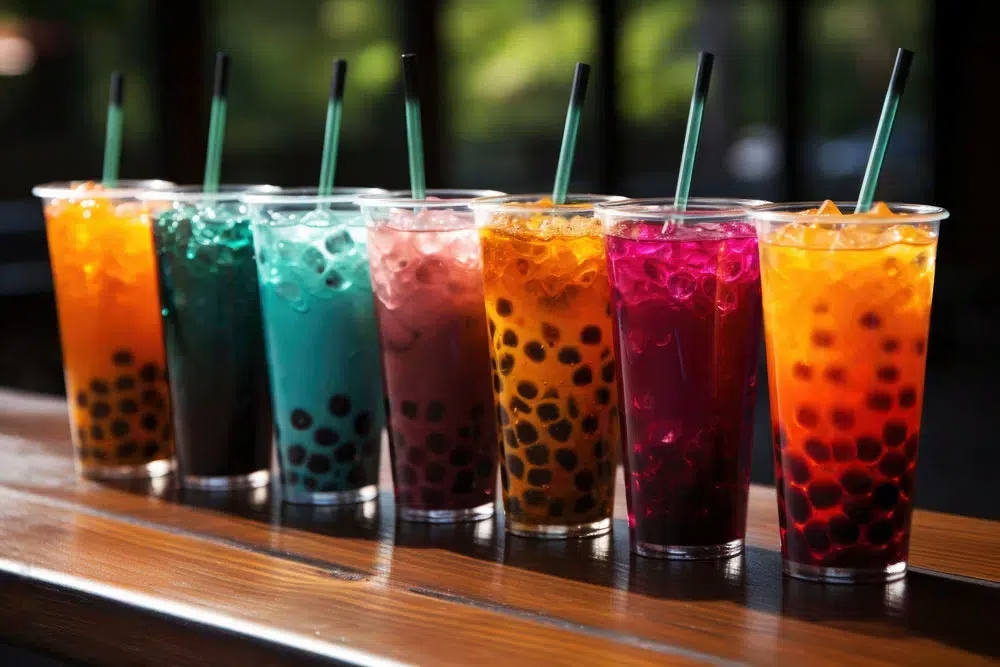
In this blog, we explore everything you need to know about tapioca pearls. We explain how producers make this chewy, signature element of bubble tea. We also cover its history, production process, quality standards and future innovations.
How Tapioca Pearls Became a Global Sensation
Tapioca has deep roots in South American culinary history. Indigenous communities in the Amazon rainforest first cultivated cassava, the plant used to make tapioca. Over time, traders and travellers introduced cassava to other parts of the world.
As cassava spread, different cultures began using tapioca in desserts. In Asia, people often enjoyed tapioca balls as a sweet treat. Then, bubble tea changed everything. According to popular stories, someone added tapioca pearls to milk tea on a whim. As a result, a global trend was born.
Today, tapioca pearls appear in far more than drinks. For example, you can find them in ice cream, shaved ice and even waffles. This versatility has helped them grow in popularity worldwide.
Ingredients and Preparation
Cassava grows in many regions across the globe. Producers harvest the root and process it into tapioca starch. This starch forms the base of all tapioca pearls.
Typically, manufacturers combine tapioca starch with water and other ingredients. These additions affect colour, texture and overall quality. However, recipes can vary between brands, so it is always worth checking product descriptions.
In addition, syrups play a key role in flavour. Many producers coat tapioca pearls with brown sugar syrup or hazelnut syrup. These syrups create the rich sweetness that pairs so well with tea.
For example, different types of brown sugar syrup offer slightly different results. Some provide a stronger aroma, while others deliver a more traditional flavour. Meanwhile, artisanal syrups often recreate classic Taiwanese methods, giving a deeper and more authentic taste.
Moreover, thicker syrups serve a different purpose. Their higher viscosity makes them ideal for creating decorative streaks inside cups. As a result, they enhance both presentation and flavour.
Making Tapioca Pearls Traditionally vs Nowadays
Traditionally, producers made tapioca pearls through a careful, multi-step process. First, they washed the cassava root to remove dirt. Next, they grated and washed it again to eliminate bitter compounds and fibres.
After that, they extracted the liquid and allowed it to settle. Then, they sieved it to form small granules. Finally, they dried and packaged the pearls for use.
However, as global demand increased, production methods evolved. Modern factories now use advanced machinery to speed up the process. At the same time, they maintain consistent quality and texture. This balance allows producers to meet demand without sacrificing standards.
Achieving the perfect texture
High-quality tapioca pearls should feel chewy and slightly elastic. They should also deliver a balanced sweetness. Therefore, producers carry out strict quality checks at every stage.
Nevertheless, several issues can affect the final product. For instance, poor cooking can lead to uneven texture. Similarly, too much sugar can overpower the flavour. Inconsistent temperatures can also cause problems.
To avoid these issues, producers rely on strong quality control systems. In addition, proper preparation at home matters. Always boil water at a steady temperature and stir the pearls evenly. This helps ensure the best texture and taste.
Flavours and Innovation
Although most people recognise black tapioca pearls, the original version is actually white. White tapioca has a milder sweetness, so it suits those who prefer less sugary drinks.
At the same time, innovation continues to shape the industry. Many shops now offer flavoured pearls such as strawberry, mango, cherry and taro. As a result, customers can enjoy a wider range of taste experiences.
Furthermore, popping boba has added a new dimension to bubble tea. These pearls burst with flavour, creating a completely different texture. More recently, naturally coloured popping boba has entered the market, offering both visual appeal and new ingredients.
Looking ahead, the future of tapioca pearls looks exciting. As demand grows, producers will continue to experiment with flavours, colours and textures. Consequently, bubble tea will keep evolving with new and creative options.