
What is Boba Tea?
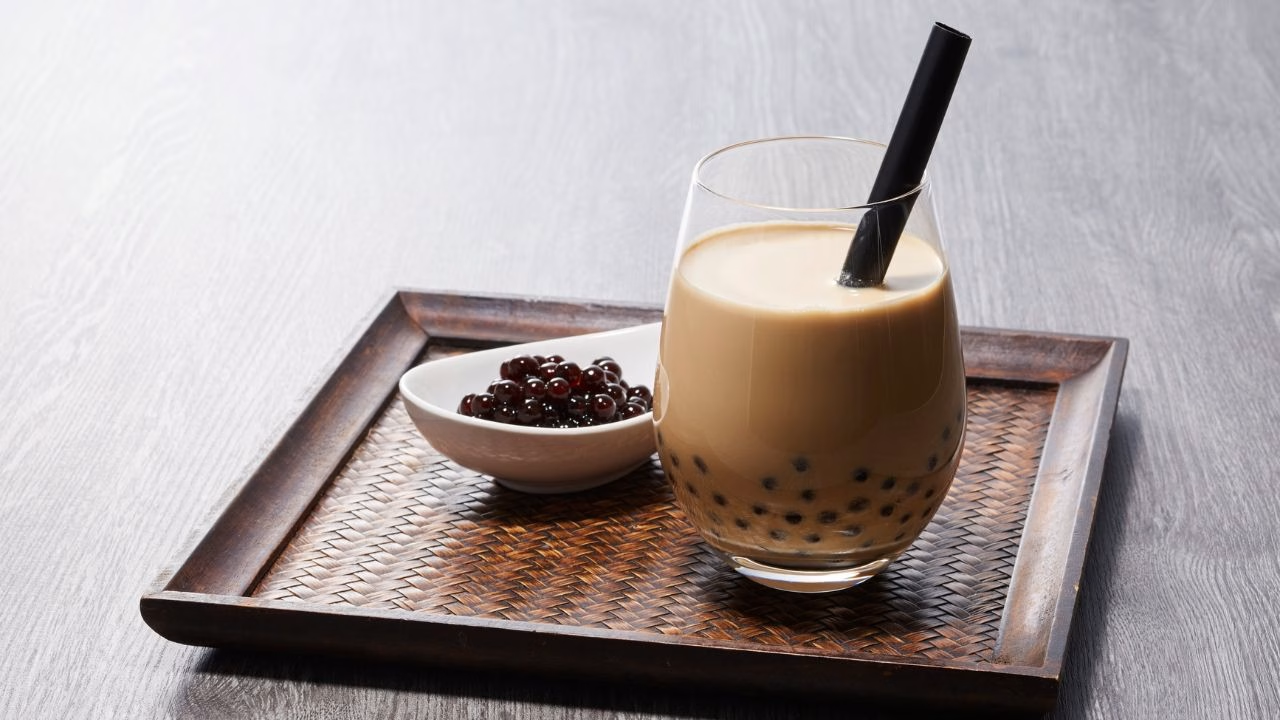
What's the difference between bubble tea, boba tea and pearl milk tea?
These are all the same by concept. A tea-based drink shaken with ice, sweetened, and served with chewy pearls or other fun toppings. Different names reflect regions or branding, not the drink itself.
What is boba tea?
Boba tea, was born in Taiwan in the 1980s as an iced black tea. It was created by shaking hot tea with ice and sugar, creating a layer of foam on top of the drink. It's the foamy surface that inspired the name “bubble tea”, before tapioca pearls became part of the recipe. (Taiwan Insider) Later on, tea houses started experimenting with different toppings like tapioca pearls, shaping what we now know as modern bubble tea. (National Geographic, Taipei Times)
Historical Preparation
Britannica and Taipei Times note that early boba tea was simple. Tea makers brewed strong tea, added sugar syrup, and shook it with ice. No pearls yet, just a foamy iced tea. This simple start laid the foundation for modern bubble tea.
Modern Preparation
Modern bubble tea builds on that foundation but adds endless possibilities. Here is how a classic milk tea is made today:
- Brew strong black, oolong, or green tea.
- Mix in creamer or a milk alternative and sugar syrup if you want additional sweetness.
- Shake with ice, or add more hot water if you want a hot milk tea.
- Add tapioca pearls or other toppings such as grass jelly, popping boba, coconut jelly, or red bean.
Shops can get creative. Swap white sugar syrup for brown sugar syrup, layer in cream foam, or add fruit flavours. Fruit teas follow the same idea but start with flavoured syrup or fresh juice and include toppings and ice. Nothing is mandatory, nothing is off limits. This flexibility keeps customers coming back.
Tea
Tea is the foundation of boba tea, and the choice of tea base strongly influences flavour. Black tea has bold and rich notes that pair well with milk. Green tea has a lighter and more refreshing taste that works better with fruit flavours. Oolong sits between the two and provides a soft, roasted character. Shop owners often select tea based on how it complements toppings and sweetness levels.
Popular tea pairings
- Classic milk tea + black teas or dark oolong teas
- Brown sugar milk tea + black teas or dark oolong teas
- Fruit tea + green teas or light oolong teas
However, you can choose to use black tea in fruit teas and green teas in classic milk teas. It will taste entirely different, but if that's your preference, go for it!
Milk tea vs fruit teas
Milk teas are creamy a bit thicker than fruit teas as they contain (non-dairy) milk. Classic milk teas mix strong black tea with fresh milk or plant based alternatives to balance out the flavours. Flavoured milk teas are made with a water base, milk and flavoured powder. Popular flavours are brown sugar, taro, matcha, and chocolate. Fruit teas are bright and fresh. They mix with fruit flavoured syrups, jams and flavoured bobas. Customers often choose fruit teas when they want something lighter and more refreshing. Popular flavours are lychee, strawberry, passion fruit, peach and mango.
Tapioca pearls and toppings
Tapioca pearls are those dark chewy pearls that for years have been the go-to bubble tea topping. However, over the years, many different toppings are added to milk teas and fruit teas.
Popular combinations
- tapioca pearls, q mochi, cream foam and fruit jams + any type of bubble tea
- popping balls, coconut jellies, and aloe vera + fruit teas
- red beans and diced taro + any type, but mostly in milk teas.
- caramel pudding and herbal jelly + any type, but mostly in milk teas
@taipec_uk Who has tried white tapioca before?!? 🤍🙌🏼😱 #whitetapioca #tapioca #BubbleTea #BubbleTeaUK #Boba #BubbleTeaSupplier #taiwanesegroceries #bubbletealover #bubbleteaaddict #taipec
Customisation and modern trends
Customisation drives the popularity of bubble tea. Customers love to pick and choose their flavours and create unique beverages. They like to choose the tea, level of sweetness, ice, flavours and toppings. They want to feel like they can create anything.
Bubble tea mainly appeals to young, urban consumers, particularly teenagers and people in their twenties and thirties, who are drawn to its interactive and customisable nature. They enjoy the fun textures like popping boba, the wide variety of flavours, and the visually appealing colours that make it perfect for social media. Women are especially engaged with bubble tea trends, experimenting with different toppings and combinations. Urban areas see the highest demand due to the concentration of cafés, juice bars, and bubble tea shops, while suburban areas are catching up through packaged products and online delivery. Overall, bubble tea attracts adventurous, trend-conscious, and health-aware consumers who value a fun, sensory, and social drinking experience rather than just a beverage.
Popularity worldwide
Global demand for bubble tea continues to grow. Market research values the bubble tea market at around USD 2.8 billion in 2024 and projects growth to approximately USD 5.0 billion by 2033. Demand continues to rise across Asia Pacific, North America, and Europe, driven by franchise expansion, social media, and changing consumer tastes.
Industry reports also show that bubble tea has moved far beyond its Asian origins. Consumers in countries such as Canada, the United Kingdom, and the United States now view it as a mainstream beverage rather than a niche trend.
Market insights for shop owners
Bubble tea sales are driven by fresh, customizable drinks and innovative toppings. Tapioca pearls remain the most popular, but demand for alternatives like popping boba and jelly cubes is rising. Plant-based milks and sugar-adjusted options are becoming more popular too, reflecting the growing health-conscious consumer base.
Offering a mix of traditional recipes and trendy flavours keeps customers engaged and encourages repeat visits. Shops that understand which teas, toppings, and combinations resonate with their audience will thrive in this growing market.
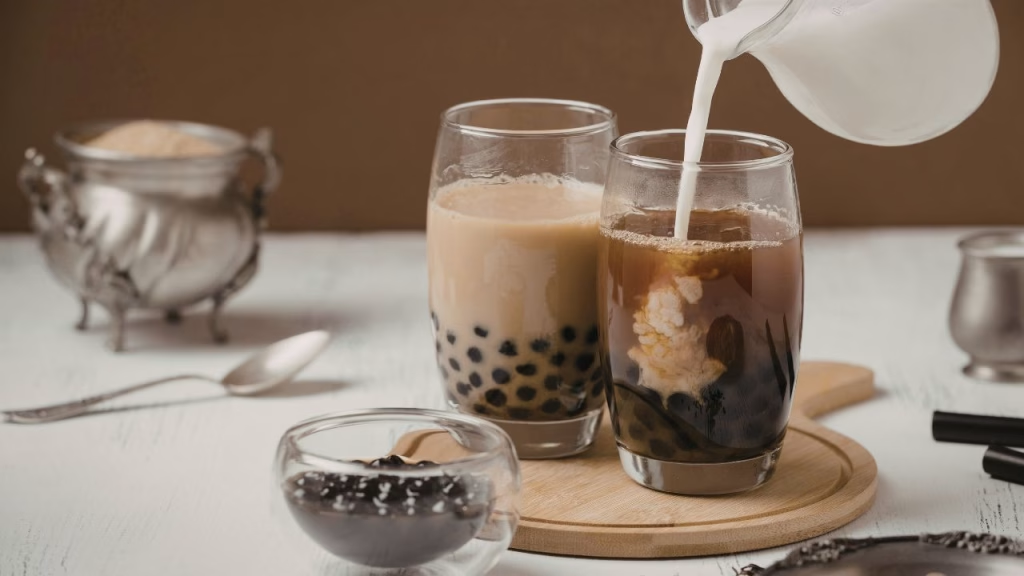
What's the difference between Boba Tea and Bubble Tea?
Being extremely pedantic, non-boba toppings such as coconut jelly and Q-Mochi are just about the sole distinction between the beverages, though just about everyone can be forgiven for the interchangeable use of “bubble tea” or “boba tea”. In fact, one of the reasons that bubble tea took so long to take off in the English speaking world vs Asia was the lack of standardisation between English versions. Thankfully with “Bubble Tea” prevailing in the language the norm was set and people started to focus on the organoleptic experience of the beverage itself.
Conclusion
Boba tea is a tea-based drink that originated in Taiwan in the 1980s, traditionally made by shaking hot tea with ice and sugar to create a foamy iced tea, which later evolved to include chewy tapioca pearls and other fun toppings. Today, bubble tea has expanded into endless variations, from classic milk teas made with black, green, or oolong tea, creamer, and sugar, to fruit teas and inventive creations featuring popping boba, grass jelly, coconut jelly, and layered cream foam.
Its global popularity continues to grow, with the market projected to reach USD 5 billion by 2033, driven by franchise expansion, social media trends, and consumer demand for interactive, customizable drinks. The beverage mainly appeals to young, urban consumers who enjoy its playful textures, wide range of flavours, and visually appealing presentation, making it a social and sensory experience as much as a drink.
For shop owners, success comes from offering a mix of traditional recipes and innovative toppings, catering to health-conscious preferences with plant-based milks and sugar-adjusted options, and understanding which combinations resonate with their audience to keep customers coming back.