
What Is The Target Market For Bubble Tea?
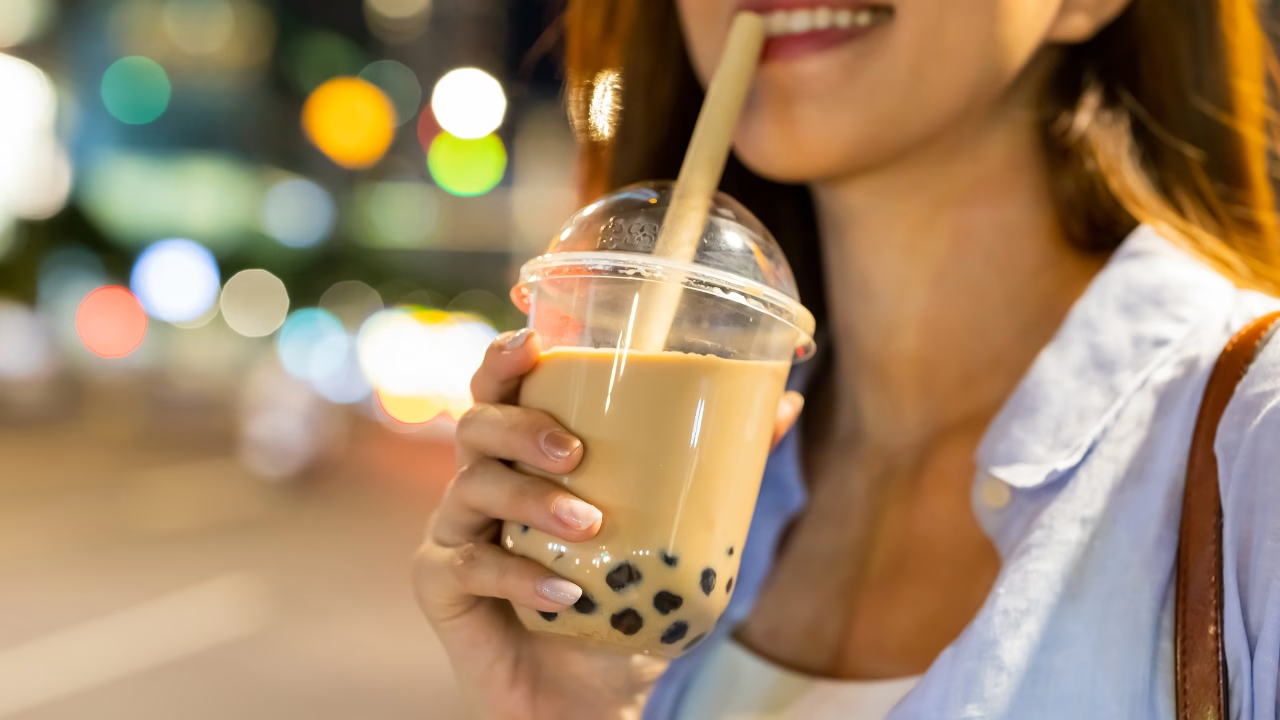
Bubble tea has become a worldwide phenomenon,, thanks to its mix of sweet flavours, vibrant colours and varying textures. The drink first emerged in Taiwan in the late 1980s and 1990s, and at that time it was a niche treat enjoyed by only a few. Today, in 2024, bubble tea is everywhere. From viral social media videos to high streets full of boba shops, it has grown into a cultural icon. Many people are now looking to start their own bubble tea shops or related business ventures. To do this successfully, it is important to understand the target market. Knowing your audience allows you to tailor your marketing and messaging effectively. In this blog, we explore who buys bubble tea and why.
Age Groups
Bubble tea appeals to a wide range of ages. A 2021 study found that 94 per cent of people aged 20 to 29 had tried bubble tea at least once in the previous three months. This is exciting for bubble tea businesses, as it shows that Gen Z and Millennials are major fans. These younger consumers are generally more open to trying new food and drinks from different cultures.
The younger Gen Z and Generation Alpha groups also make up a significant part of the market. Children and young adults born from 2012 onwards are drawn to the vibrant colours, sweet taste and fun flavour combinations of bubble tea. Social media has further boosted its popularity among this age group, making bubble tea a must-try trend.

Cultural Influence
Given its global influence, bubble tea has adopted flavours and trends from all over the world. The barrier to entry for a new consumer is now incredibly low, with so many customisation options meaning that bubble tea can be altered to match almost any taste. Once you start drinking bubble tea, you are exposed to the more traditional flavours inspired by different cultures. Eventually, the average consumer is bound to try a traditional milk tea, for example, as they continue on their bubble tea journey. In this way, bubble tea can serve as a vessel to bring east Asian culture to the masses. What is great about this is that, in terms of cultures, you do not need to tailor your bubble tea store to one specific demographic. The modern day boba shop has something for everyone.
Culturally, bubble tea draws its core influences from Taiwan and East Asia. Common flavours and toppings featured on boba menus include tapioca, matcha, taro, thai milk tea and red bean. These are all classic delicacies from these regions, that bubble tea has brought to western culture. Today's boba menus feature all of these amazing traditional ingredients, combined with other flavours drawing western influences. This allows stores to cater to all types of flavour preferences.

Lifestyle Preferences
The last thing to consider regarding target market is peoples' varying lifestyle preferences. In 2024, people have found the freedom to eat and drink how they want. Additionally, as we mentioned, bubble tea's cultural reach extends all over the world. This means that different cultural traditions and practices need to be considered as well. In order to ensure you meet these varying consumer demands, consider the following options on your menu:
- Vegan and dairy free options
- Low sugar alternatives
- Low carb options
- Kosher options
As well as this, make sure you are clued up on any dietary questions you may be asked. Being able to offer instant and confident answers to any consumer concerns helps instil trust and loyalty in your customers. For example:
- Allergen information
- Ingredients which contain gelatin
- Ingredients that are kosher
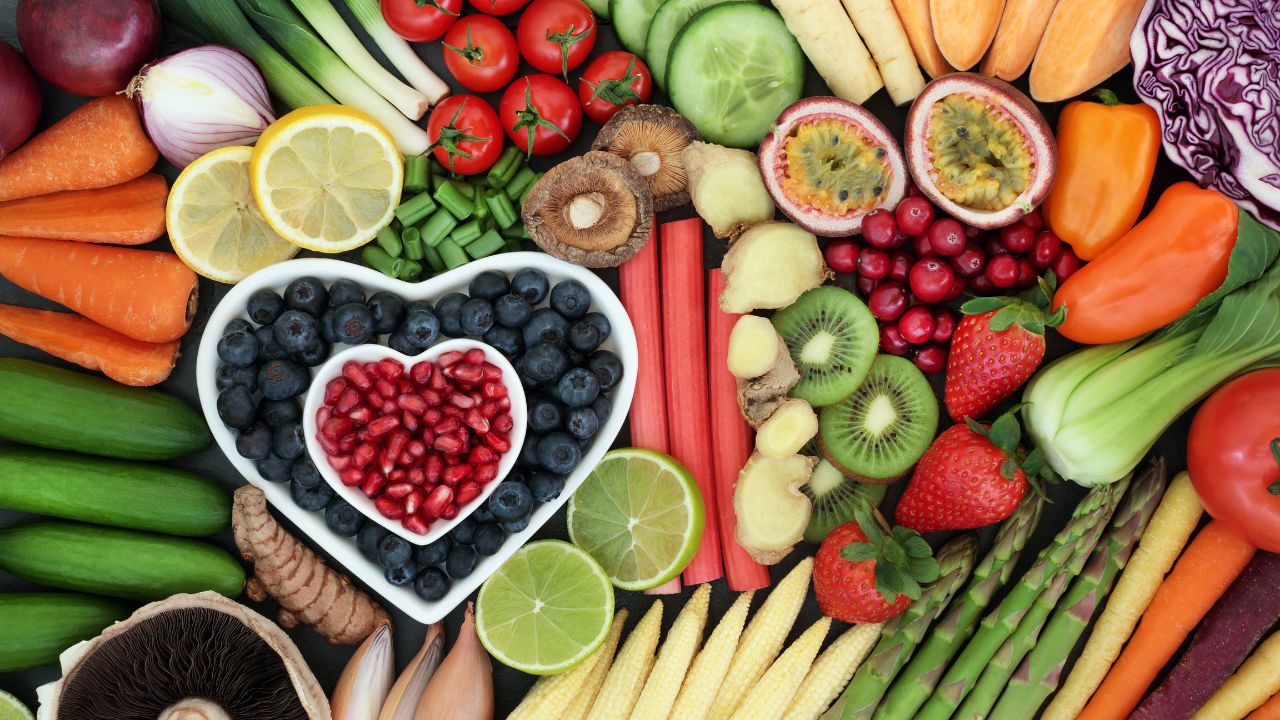
The more options you have, the wider an audience you cater to. Hopefully you now have a better understanding of the bubble tea market in general. What is the target market for bubble tea? Now you know! Check out Taipec's website, your trusted bubble tea supplier, for all your bubble tea ingredient and equipment needs, as well as information on dietary concerns.