
What is the Best Bubble Tea Store Layout?
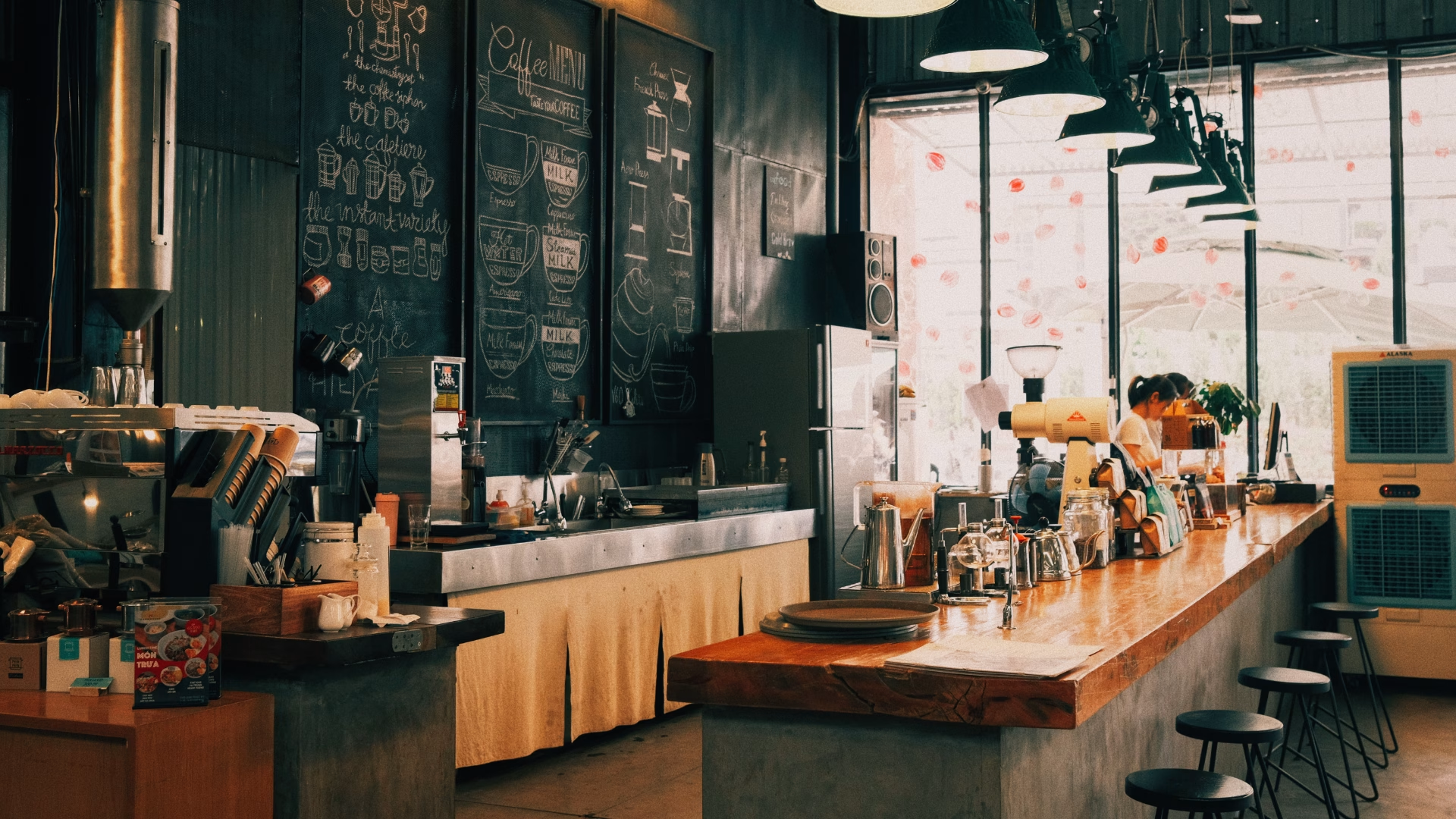
A well-thought-out bubble tea shop floor plan can greatly contribute to a shop’s success. Planning the layout of your bubble tea store is a crucial step for prospective owners. A great layout ensures smooth operations and efficient workflow. While no single design fits every store, some choices optimise space and streamline drink production. Factors like store size, menu options, and staff numbers also affect layout decisions.
How does your bubble tea shop floor plan affect customer behaviour?
Data
As referenced by Retail Design and Build Ltd (2024), layout shapes how customers move through your store, what they notice, and how enjoyable their visit is. Open layouts encourage browsing, while closed layouts guide customers along specific paths. Strategic placement of products, signage, and visual cues draws attention to popular or promotional items, increasing impulse purchases. Clear, intuitive pathways reduce frustration and make shopping easier. Adapting your layout to store size maximises engagement. Compact, defined paths suit smaller spaces, while open, expansive displays work well in larger shops. Thoughtful design directly affects both customer behaviour and satisfaction, helping drive repeat visits and sales. (Retail Design and Build Ltd, source)
Based on research of ‘Psychology of Consumer Behaviour and Behavioural Change', done by Food Standards Agency (2023), physical layout and navigational fluency matter because food shopping is often habitual. Regular customers rely on familiarity to move efficiently, knowing where items and pathways are. Visual cues such as shelf placement, signage, and displays guide attention and support fast decision-making. New customers respond more to prominent cues like offers, branding, and labels. Clear layouts with strong visual guidance make shopping easier, faster, and predictable. (Food Standards Agency, source)
Optimising Layout for Larger Shops with Tables
In larger bubble tea shops or cafés with seating, the layout should encourage comfort and exploration. Open floor plans allow customers to browse menus, spot specials, and linger. Place tables, signage, and displays strategically to highlight high-margin items without creating clutter.
Maintain clear pathways between tables, counters, and key areas to reduce frustration. Use visual cues like menu boards, promotions, and themed décor to guide decisions. Arrange seating to encourage social interaction or relaxation. Overall, balance movement and comfort so customers can navigate intuitively, find what they want, and enjoy the experience.
Optimising Layout for Smaller Takeaway Shops
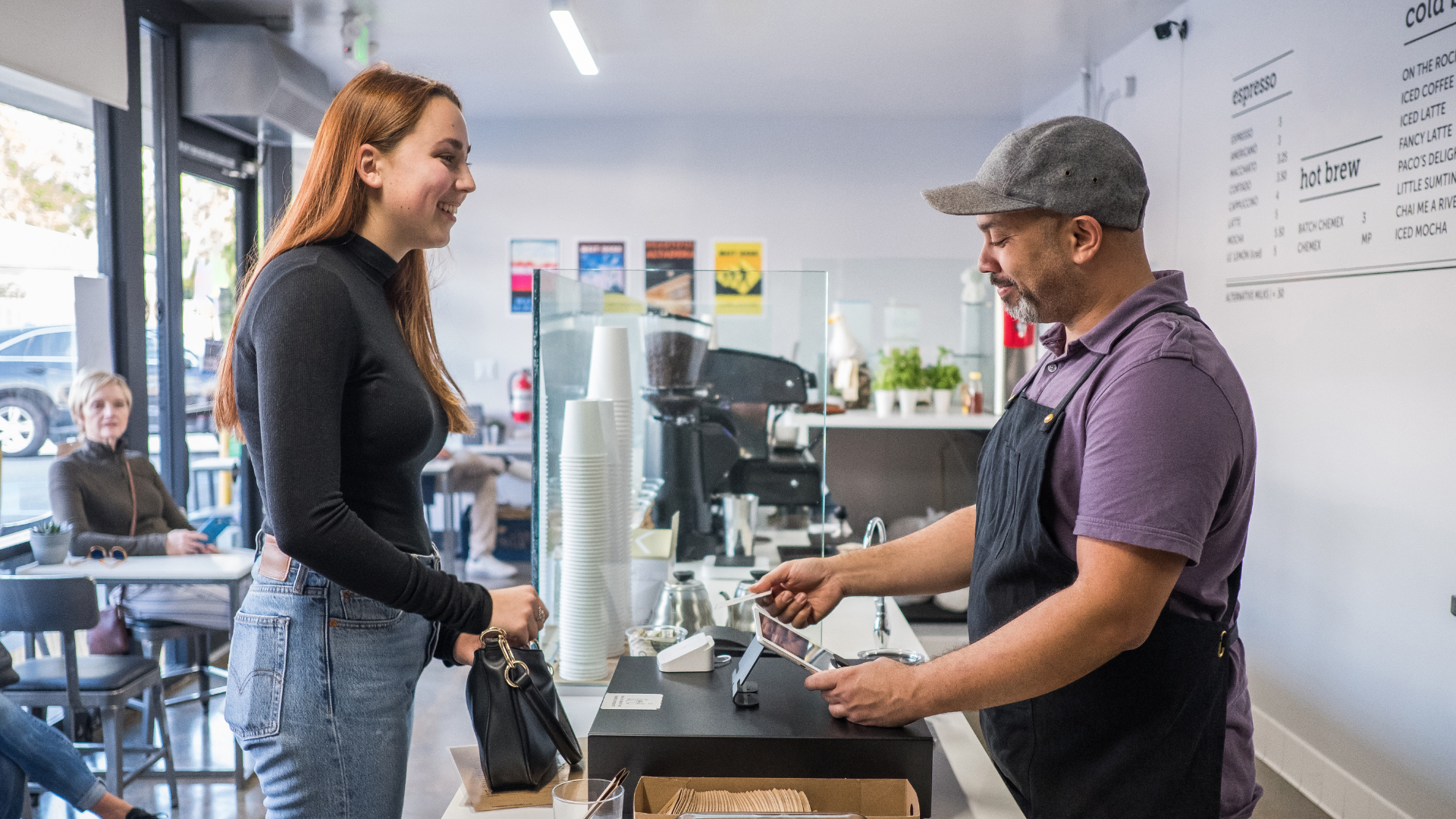
For small, takeaway-focused stores, efficiency and speed are key. Create a straight path from entrance to order counter, payment, and collection to minimise congestion. Place eye-level menus and clear signage to highlight popular drinks or promotions.
Consistent product placement helps regulars move through the store quickly. Keep counters and displays uncluttered to maintain order and speed. Even in a small space, use visual cues like bright menu boards, product images, or colour-coded categories to support decision-making, boost impulse purchases, and ensure a smooth takeaway experience.
There's store layout, but how about kitchen layout?
Your production area must be efficient, with equipment placed to create a smooth workflow. Consider a production line setup, allowing staff to move naturally from one step to the next.
1. Tea Dispensers
Start the production line with your tea dispensers. Most stores have two dispensers, one for Black Tea and one for Green Tea. However, you may have as many as four tea dispenser depending on which tea options you plan to offer, with specialty teas like Oolong growing in popularity. Pouring the tea is the first step in almost all bubble tea variations.
2. Bubble Tea Ingredients
Once your tea is poured, it's time to create your bubble tea recipes. Think of flavoured powders and syrups. So next to the tea create a station with all of your flavour syrups and powders lined up neatly. If you have a fructose dispenser, this can also go next to the dispensers.
3. Ice Machine
From here, you want your staff to have quick access to the ice machine. It would be most logical to place this below the counter, with the tea dispensers and powder/syrup station on the counter above.
4. Shaking Equipment
After ice is added, the tea is shaken, either with a cocktail shaker or a shaking machine. Either way, ensure your chosen shaking equipment is next in the production line.
5. Topping Counter
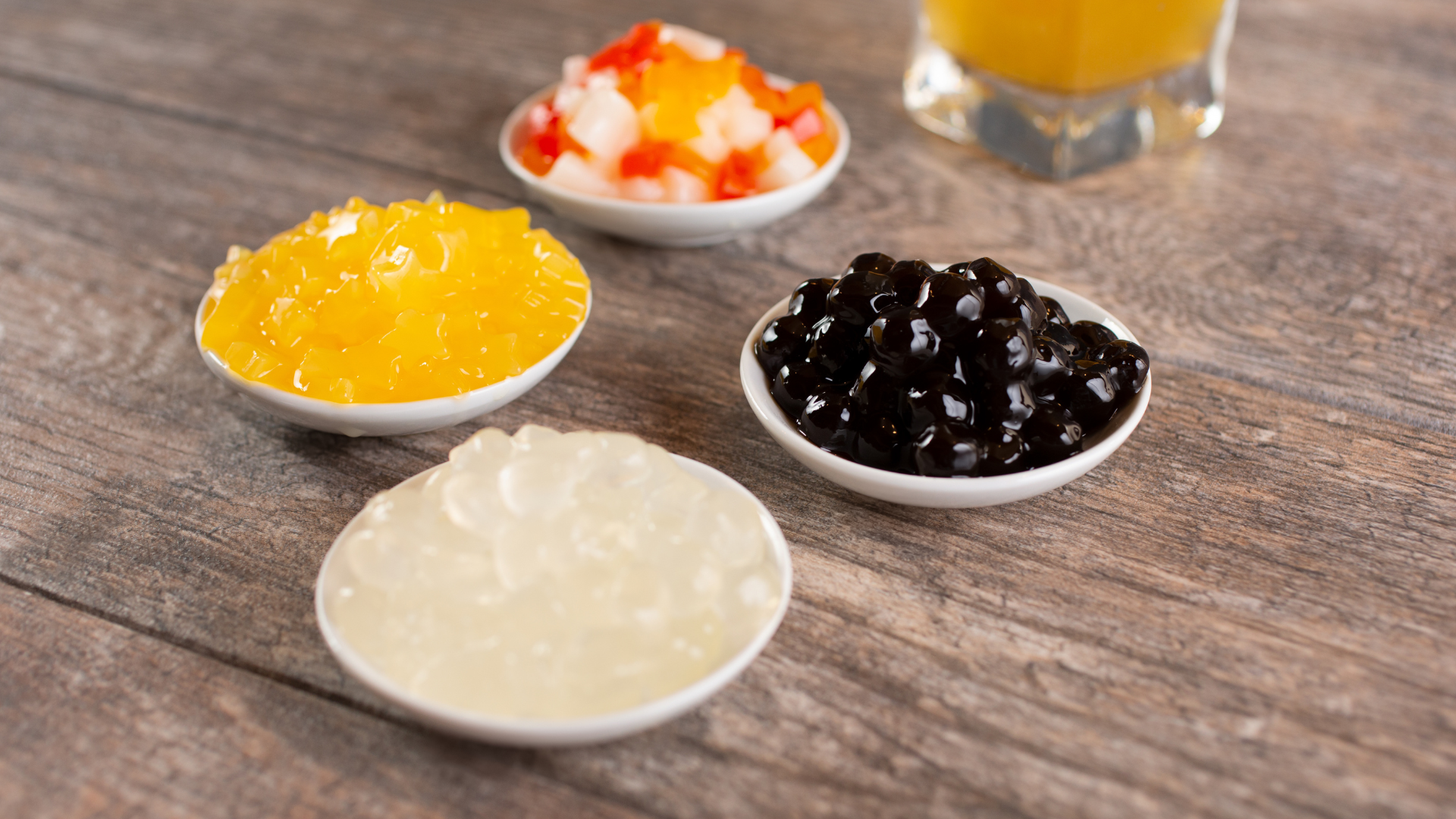
Common toppings, such as tapioca and popping balls, are added to an empty cup before the tea is poured over it to complete the drink. Most bubble tea stores tend to find that displaying the toppings helps customers to visualise their orders and decide what they want. Having a topping display right by the service counter looks great, and also makes it easier for staff to create the drink, with all the toppings located conveniently together in one place.
6. Cup-Sealing Machine
Lastly, once any toppings have been added, the tea is sealed with a cup-sealing machine. There are two effective placement options here. This machine can be placed near the service counter, meaning the drink can be quickly passed on to the customer once sealed. Alternatively, it can be placed next to the shaking equipment, allowing the staff member to naturally flow quickly and smoothly onto this final stage of the process. Check out our YouTube tutorial for help setting up your sealing machine.
Hopefully these tips help you improve your store and kitchen layout, but if you have any additional questions, please do not hesitate to reach out!
Links to our social media channels: