
How to Price Your Bubble Tea Menu Without Losing Customers or Profits
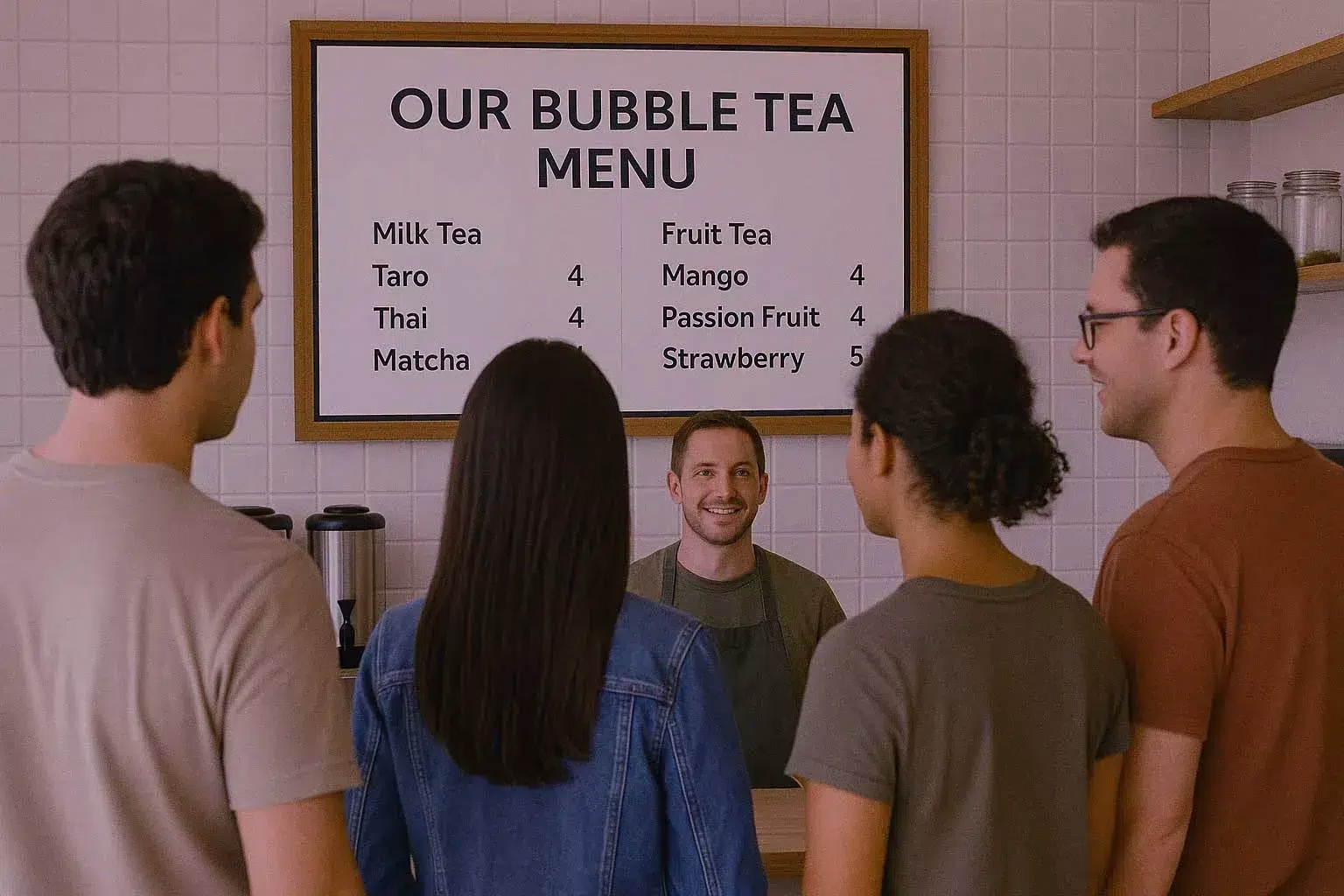
Pricing your bubble tea menu is about more than just covering costs. It’s about building a sustainable business that attracts loyal customers while protecting your profit margins. Whether you’re opening your first store or refining your existing offer, how you price your drinks will shape your success.
This guide walks you through the key principles of setting smart prices. It’s designed to help you balance profitability with customer appeal, without resorting to guesswork or race-to-the-bottom tactics.
Why Pricing Matters More Than Ever
In a competitive bubble tea market, pricing plays a bigger role than many shop owners realise. Set your prices too low, and you may struggle to cover rising supplier, rent or staffing costs. Set them too high, and customers may go elsewhere.
Right now, many shops are facing tighter margins, more competition and changing customer expectations. That means your pricing strategy needs to do more than make ends meet. It needs to support growth.
Good pricing protects your business. Great pricing builds it.
Understand Your Costs First
Before you can price anything with confidence, you need to understand what each drink actually costs you to make. This includes more than just ingredients.
Here’s what to include when calculating your base drink cost:
- Tea, milk, powders, syrups and toppings
- Ice, water and preparation supplies
- Cups, lids, straws, sealing film and napkins
- Labour time per drink
- Rent, energy and waste costs (divided per unit where possible)
Once you’ve broken this down, you’ll have a clearer picture of the minimum you need to charge to break even. This is your starting point, not your final price.
Choose a Pricing Strategy That Fits Your Brand
There’s no one-size-fits-all method when it comes to pricing, but most bubble tea shops follow one of three core approaches. Think about which suits your brand and customer base best.
Cost-plus pricing is when you calculate your cost per drink and add a fixed markup to ensure profit. This method is simple and gives you control, but it may ignore what customers are actually willing to pay.
Value-based pricing focuses on what your customers think a drink is worth. If your shop has a strong aesthetic, great service or unique drinks, you may be able to charge more than your costs would suggest.
Tiered pricing offers different price points based on cup size, number of toppings or premium ingredients. This can increase your average order value and gives customers more choice.
Whichever method you use, make sure it reflects your audience, your product and the kind of brand you’re building.
Benchmark Against the Market
It’s useful to know what other bubble tea shops in your area are charging, especially if you’re just starting out. Look at local independents as well as big-name chains. Check their pricing across drink sizes, toppings and any extras.
What you’re looking for isn’t just numbers, but patterns. Are certain drinks priced higher in areas with more foot traffic? Do premium toppings justify noticeable price increases? How do you compare on perceived value?
Avoid the temptation to copy your competitors directly. Pricing should be part of your overall strategy, not a reaction to what others are doing.
Offer Premium Options Without Undercutting Yourself

High-margin upgrades are one of the best ways to increase revenue without needing to raise your core prices. These might include:
- Popping boba or cheese foam,
- Dairy-free or oat milk alternatives and
- Larger cup sizes or additional toppings.
The key is to make these feel like added value. When customers feel in control and see a clear benefit, they’re more likely to say yes.
Train your team to upsell without pressure, and present these options clearly on your menu or ordering screens. Done right, these upgrades can boost profit and improve the customer experience at the same time.
Review and Adjust Regularly
Your pricing shouldn’t be static. Every few months, take time to review your menu, look at sales data, and assess whether prices still make sense. Think about:
- Have ingredient or packaging costs increased?
- Are certain items selling less than they used to?
- Do customers often choose the cheapest option?
- Are your premium drinks underperforming or overperforming?
Small, thoughtful price changes are easier for customers to accept than large, sudden hikes. Consider adjusting seasonally or when introducing new items, and communicate clearly if changes are needed.
Final Thoughts
Pricing is one of the most powerful tools you have to steer your bubble tea business in the right direction. It affects your profits, your brand and your ability to grow. By understanding your costs, choosing a strategy that fits, and being willing to review and refine, you’ll create a menu that works for both you and your customers. As a reliable bubble tea supplier in the UK, Taipec support bubble tea businesses of all sizes with reliable ingredients, cost-effective sourcing and insight into what drives success behind the scenes.
Thinking about adjusting your pricing or reviewing your product costs? Contact Taipec to talk through how your supply chain can support smarter pricing and stronger margins.