
Is Bubble Tea Healthy?

Bubble tea has taken the world by storm, from street vendors in Taiwan to cafés in every major city. With its chewy tapioca pearls, creamy milk teas, and fun toppings, it’s easy to see why people can’t get enough. But with all that sugar and calories. So naturally, many people wonder “Is bubble tea actually healthy?”. In this blog, we’ll dive into what research says about the health effects of bubble tea, how you can make it healthier, and the surprising benefits hiding in your favourite drink.
Research
You can enjoy bubble tea in moderation, yet the way it’s made largely determines its health impact. According to Lauriello (2025), bubble tea is often high in sugar and calories, and tapioca pearls sometimes contain additives like guar gum that may cause constipation.
Research show that regularly drinking sugar-sweetened beverages increases the risk of weight gain, obesity, type 2 diabetes, and other cardiometabolic problems. At the same time, the tea base offers benefits. Black, green, and jasmine teas contain antioxidants and polyphenols that protect your cells, support heart health, and may lower the risk of chronic diseases. Unfortunately, high sugar content in many bubble teas can negate most of these benefits.
How to make healthy bubble teas
1) Adjust the sugar level
If you love bubble tea but want to make it healthier, try a few simple tweaks. Sugar is the biggest concern, as some bubble teas are loaded with it. The World Health Organization (WHO) recommends keeping ‘free sugars’ under 10% of daily calories, ideally below 5%. Asking for half sugar or no sugar isn’t just smart. It actively reduces your risk of obesity and diabetes.
2) Unsweeten you tea base
Next, think about the tea base. Choose unsweetened green, black, or jasmine tea rather than pre-sweetened mixes to preserve antioxidants and beneficial compounds. Research shows that unsweetened tea is linked with lower risks of heart disease, cancer, and other chronic conditions, but if you pile on the sugar, you lose a lot of those benefits.
3) Gradually reduce sugar intake
Another trick? You can also gradually reduce sweetness over time. Studies show people adjust to less sugar without losing enjoyment, so even small reductions make a difference. Finally, consider your toppings: swap traditional tapioca pearls for aloe vera, jelly, chia seeds, or fruit chunks to cut calories and added sugar.
In summary, research suggests that you can make bubble tea healthier by:
- Gradually reducing added sugar or choosing 0% sugar
- Choosing unsweetened tea bases like green or black tea
- Considering substitutions or toppings with fewer calories and less sugar
With these changes, bubble tea can become a less sugary, lower‑calorie choice that still lets you enjoy the flavour while aligning with broader health recommendations.
But don't forget. Now and then, we are allowed to enjoy a bubble tea exactly how you like it. Just not every day.
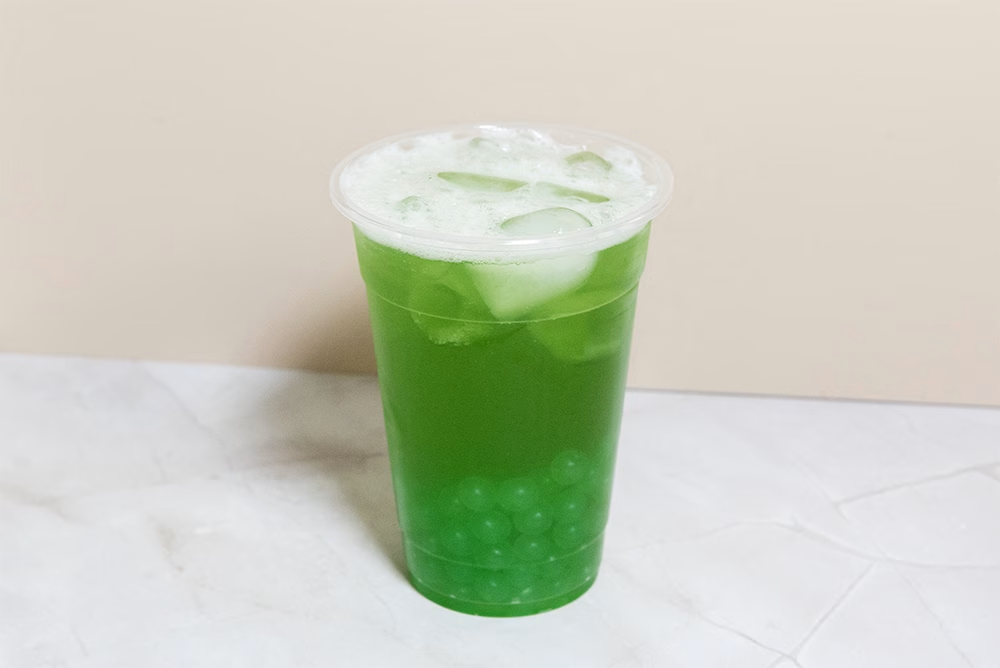
What are the benefits of bubble tea?
Bubble tea is often seen as a sweet treat, but did you know some parts of it can actually be good for you? While we need to be mindful of sugar, the tea and even the tapioca pearls have properties that offer potential health perks. Let’s break down the science-backed benefits behind this popular drink.
1) Antioxidants from the tea base
The tea in bubble tea (whether black, green, or oolong) is rich in polyphenols and antioxidants. Research shows these compounds help protect your cells from oxidative damage and reduce inflammation, which may support long-term health. So, even in a sweetened cup, your tea is delivering plant-based compounds that your body can use.
2) Heart and metabolic health
Regular tea drinking has also been linked to lower risks of chronic diseases, including heart disease and type 2 diabetes. Observational studies suggest that people who drink tea regularly may benefit from better metabolic health, thanks largely to the antioxidant and anti-inflammatory effects of the tea’s bioactive compounds. Choosing an unsweetened or lightly sweetened tea base can help maximize these potential benefits.
3) Brain and cognitive support
Tea’s benefits don’t stop at your heart. Studies indicate that regular tea consumption may be linked to improved cognitive function and reduced risk of dementia. The combination of caffeine and polyphenols in the tea supports alertness and may protect brain cells, giving your mind a little boost while you enjoy your drink. It’s like a brain-friendly bonus hidden in your cup!
4. Oral health perks from chewing tapioca pearls
Believe it or not, a controlled experimental study found that chewing pearls stimulates saliva production, which enhances oral defence mechanisms like lubrication and antimicrobial activity. It also raises calcium levels in the mouth, supporting mineral balance.
Summary
You can enjoy bubble tea responsibly and mindfully. By choosing unsweetened tea bases, reducing sugar, and trying lighter toppings, you actively lower calories and added sugar without losing flavour. The tea and tapioca pearls provide small health perks, from antioxidants and heart support to oral benefits. So go ahead, sip your boba, savour the flavour, and remember: moderation is key. After all, life is too short to skip the fun in your cup!