What are they?

Under EU food law (Council Directive 2001/111/EC), sugarmakers dissolve sugar in water to make white sugar syrup. It stays pure and light in colour, with very little broken-down sugar. The EU does not legally define brown sugar syrup. But in everyday use, people make it brown in colour and give it the flavour of molasses, similar to brown sugar, which consists of white sugar mixed with molasses.

What are the different types?

We stock two different types: brown and white.

1) Brown Sugar Syrup

Neither EU nor UK law officially defines brown sugar syrup, but in everyday use, producers make it with molasses or give it a brown colour and caramel-like flavour. Essentially, they mix white sugar with molasses or let it retain some of the natural molasses from sugar production, which gives it a darker colour and richer taste.

These are mainly used in milk teas, specifically in brown sugar or classic milk teas, to give them that caramel touch. At Taipec, we have a range of brown syrups with slightly different aromas and textures. The choice between our various types depends on your personal preference.

  • TJ-brand – for those seeking richness and aroma.
  • TO-brand – for a more traditional and familiar flavour. The choice between the two is purely subjective.
  • Smearing syrups – for achieving the attractive smearing effect on the sides of a cup, as seen in Brown Sugar Milk Tea. The choice between the available options is again purely subjective.
@taipec_uk

Thai brown sugar milk tea 🧡🤎 #recipe #fyp #tiktokdrink #drinkrecipes #cafe

♬ THE FATE OF OPHELIA X MIDNIGHT CITY – ALTÉGO

Guide to choosing the right sugar syrup

2) White Sugar Syrup

Producers dissolve sugar (sucrose) in water to make this syrup. It stays very pure and light in colour, keeping most of the sugar as normal sucrose rather than broken-down sugar. In practical terms, they create a sweet, clear or slightly golden liquid by dissolving white sugar in water to a specific concentration.

It is used in all types of bubble tea to add sweetness. At Taipec, we also have various types of white syrup. The decision between them depends on your preference. Let’s break it down in the table below:

Sugar level Number of ladles
0% 0 ladles
25% ½ ladle
50% 1 ladle
75% 1½ ladles
100% 2 ladles

Cane Liquid Sugar

For natural sweetness.

This is a sweet liquid made by dissolving sugar that comes specifically from sugarcane in water. It retains the natural flavour of sugarcane and often has a slightly golden colour. It can be used in baking, drinks and cooking where a subtle, natural sugarcane taste is desired. Like other types, it may be clear or lightly coloured depending on how much of the natural molasses remains.

Invert Sugar Syrup

For a Kosher-certified, locally manufactured and cost-effective option without compromising on quality.

This type is sugar dissolved in water that has been partly “split” into two simpler sugars: glucose and fructose. This happens naturally over time or can be done intentionally through a process called hydrolysis. Because of this split, the syrup is sweeter than regular sugar syrup and tends to stay liquid longer, making it useful in baking, confectionery and beverages. Read our blog to learn more about what invert sugar syrup is.

Thick clear syrup pouring into a glass bowl on a blue background

Summary

What are sugar syrups? These are liquids made by dissolving sugar in water. They come from different sources, such as white sugar, sugarcane or partially broken-down sugars. Syrups vary in sweetness, flavour and colour depending on the type of sugar used and whether natural molasses or chemical processes, such as inversion, affect them. People commonly use them in beverages, desserts and cooking to add sweetness and improve texture.

What are the differences between white and brown sugar syrup? White sugar syrup is a clear or slightly golden liquid made from pure sugar, either from sugarcane or sugar beet, with most of the sugar remaining as regular sucrose. It has a neutral taste and mainly sweetens drinks and food. Brown sugar syrup, in contrast, contains molasses or retains natural colour and flavour from sugarcane, giving it a richer, caramel-like taste. People mostly use it in milk teas to create that signature caramel touch and darker colour.

At Taipec, we vary our sugars to suit different tastes, beverages and presentation needs. Our white syrups differ mainly in sweetness level and concentration. We use them in all types of bubble tea and other drinks, providing guidance with ladles ranging from 0% (no ladles) to 100% (two ladles) for precise control over sweetness.

Our brown syrups differ in aroma, flavour and visual effect. TJ Brown Sugar Syrup delivers richer and more aromatic notes, TO Brown Sugar Syrup provides a traditional and familiar flavour, and Smearing Brown Sugar Syrup creates decorative streaks on the sides of cups, as seen in Brown Sugar Milk Tea. Customers choose between these syrups based on personal preference and the sweetness, flavour or presentation they want to achieve.

By selecting the right syrup, you can control sweetness, texture, aroma and appearance.


Bubble tea is known to have “bubbles” inside. For milk tea, such as taro milk tea or brown sugar milk tea, these bubbles are known as tapioca pearls or boba. But how do you choose which kind of tapioca pearl to use in your milk teas? Let us explain.

Types Of Tapioca Pearls 

Tapioca pearls come in different flavours, sizes, textures, and cooking methods. Read below to see the different types and their cooking instructions.

1) Black Tapioca Pearls

Perfect for any original or classic milk tea variation.

  • Come in 2 sizes: 8mm – 9.5mm and 8.5mm – 9.5mm.
  • Available in 1kg – single unit, 1kg – box of 12, 3kg single unit or 3kg – boxes of 6.
  • These are available in firm textures
Product Name SKU Diameter Bag Size Chewiness
Black Tapioca Pearls 83TE04  9-10mm 1kg Firm
Black Tapioca Pearls 83TE04B12 9-10mm 1kg x12 Firm
Black Tapioca Pearls 83TE07 8-9mm 1kg Firm
Black Tapioca Pearls 83TE07B12 8-9mm 1kg x12 Firm
Black Tapioca Pearls 83TE03 9-10mm 3kg Firm
Black Tapioca Pearls 83TE03B6 9-10mm 3kg x6 Firm

Cooking instructions for black pearls

  • Boil for 20 minutes on medium heat.
  • Let rest for another 20 minutes (make sure the heat is turned off).

Cooking regular black bobas takes approx. 40 to 60 minutes, depending on how long you cook, rest and clean them.

Regular Black Tapioca Pearls on spoon

2) Brown Sugar Tapioca Pearls

For a sweeter and caramel-like flavour, we suggest brown sugar ones.

  • Available in 8mm – 9mm and 9mm – 10mm sizes.
  • These are available in different packaging options: 1kg vs. 3kg, and in single unit or in boxes of 12 or 6.
  • These are available in medium and soft textures
  • We also offer a quick-cook brown sugar bobas. These are available in firm textures in 9mm – 10mm in a 1kg single unit or in a box of 12.
Product Name SKU Diameter Bag Size Chewiness
Quick Cook Brown Sugar Tapioca Balls 83TE05 9-10mm 1kg Firm
Quick Cook Brown Sugar Tapioca Balls 83TE05B12 9-10mm 1kg x12 Firm
Regular Brown Sugar Tapioca Balls 83LT01 8-9mm 3kg Medium
Regular Brown Sugar Tapioca Balls 83LT01B6 8-9mm 3kg x6 Medium
Regular Brown Sugar Tapioca Balls 83TO05 8-9mm 3kg Soft
Regular Brown Sugar Tapioca Balls 83TO05B6 8-9mm 3kg x6 Soft
Boba Brown Sugar Tapioca Balls 83TO06 9-10mm 3kg Soft
Boba Brown Sugar Tapioca Balls 83TO06B6 9-10mm 3kg x6 Soft

Cooking instructions for regular brown sugar pearls

  • Boil for 20 minutes on medium heat.
  • Let rest for another 20 minutes (make sure the heat is turned off).

Just like regular black pearls, brown sugar bobas takes approx. 40 to 60 minutes, depending on how long you cook, rest and clean them.

Cooking instructions for quick-cook brown sugar pearls

  • Boil for 5 minutes on medium heat.
  • Let rest for another 5 minutes (make sure the heat is turned off).

Quick-cook brown sugar bobas takes approx. 15 to 20 minutes, depending on how long you cook, rest and clean them.

Brown Sugar Tapioca Pearls on spoon

3. White Tapioca Pearls

For a more neutral look and flavour, white tapioca pearls are a good choice.

  • Available in regular cook (not in quick cook), and pair wonderfully with classic milk teas.
  • Sold in 3kg single units or boxes of 6.
  • These are available in soft textures
Product Name SKU Diameter Bag Size Chewiness
White Tapioca Balls 83TO01 8-9mm 3kg Soft
White Tapioca Balls 83TO01B6 8-9mm 3kg x6 Soft

Cooking instructions for white pearls

  • Boil for 20 minutes on medium heat.
  • Let rest for another 20 minutes (make sure the heat is turned off).

White pearls also take approx. 40 to 60 minutes, depending on how long you cook, rest and clean them.

White Tapioca Pearls on plate

4. Instant Tapioca Pearls

The quickest pearls we have are instant pearls. They require literally 1 or 2min on a hot stove or in the microwave. These come in 50x50g single units.

Summary

Choosing the right tapioca pearls depends on what matters most to you. If speed and convenience are your priority, quick-cook or instant pearls work best. For the best quality and texture, regular cook pearls are the ideal choice. When it comes to flavour and appearance, black and white bobas provide a classic option suitable for any bubble tea, while brown sugar pearls add a rich, caramelised sweetness. To offer variety, consider keeping two or more types of pearls on hand, allowing you to give customers more choices or experiment with different combinations yourself.

Seasonal Bubble Teas

Adding seasonal flavours to your bubble tea menu lets you take full advantage of holidays and events throughout the year. Keeping your menu current and relevant makes sure you’re meeting what customers want in every season. And it’s not just about flavours. Some seasons call for completely different drinks! Think hot, comforting drinks in winter versus cool, refreshing options in summer.

Winter Bubble Tea

Let's start with Winter, which, in the UK, can last quite a while. In winter, the first thing to note is that the weather calls for more warm and hearty drinks. Bubble tea, particularly classic milk tea style, is great hot or cold, so definitely consider adding some hot variations to your menu throughout these cold months.

Winter is also synonymous with Christmas, arguably the biggest holiday of the year. The month of December poses a huge opportunity to shop owners, with customers looking for festive-themed treats and happy to spend their money for a fun Christmas experience. With this being the case, ensuring your bubble tea menu is up to date with Christmas themed drinks is crucial to capitalise on this opportunity. Flavours like eggnog, cinnamon, pumpkin, chocolate and even mint (candy cane) are great ideas for bubble tea flavours or toppings to spruce up your selection. Do not miss out on the opportunities that come at Christmas. For a deeper dive into ideas for Christmas, check our our blog on how to add some Christmas flair to your menu!

Here are some Winter bubble tea recipes:

1) Gingerbread Bubble Tea

2) Yuen Yeung (Hong Kong-style coffee milk tea)

@taipec_uk

Yuen Yeung, the Hong Kong drink that mixes milk tea with coffee. 🧋☕️ Ingredients, – 40g milk tea powder – Condensed milk – 200ml hot water – 1 or 2 shots of espresso – Ice #yuenyeung #milktea #coffee #drink #easyrecipe

♬ Christmas Music Nutcracker (Bass Boosted) – SNC

3) Hot Coco Bubble Tea


2 cups of bubble tea in front of fireplace

Spring Bubble Tea

As the seasons change, so do consumer demands. Spring is when we start to feel the weather shift and get slightly warmer before summer. Spring is also known for its' floral essence and a fresh, crispness in the air. With this comes some great drink ideas. Consider floral flavours such as lavender, matcha and jasmine.

You'll also want to prepare yourselves for Easter, the main holiday in Spring. Create colourful, pastel drinks and introduce chocolate flavoured teas to give your menu an Easter theme. Use the Easter bunny and Easter eggs in your visuals on social media and in-store to further create the holiday-feel.

Some Spring-inspired bubble tea recipes:

1) Blue coconut matcha cloud

2) non-dairy mango matcha

3) Easter-inspired bubble tea

@taipec_uk

Happy Easter! Let’s turn this into a bubble tea. #bubbletea #milktea #recipe #foodie #easyrecipe #drink #foryoupage #howto

♬ Bluest Flame – Selena Gomez & benny blanco

flowers and blue skies

Summer Bubble Tea

Summertime means the sun is finally out! Bubble tea tends to explode in popularity in the Summer months, particularly around the two May Bank Holidays. With so much sun and happiness in the air, boba shops experience huge peaks in demand. The key tips for Summer is to make sure you are stocked and prepared to meet all of this increased demand. Aside from this, ensure you fill your menu with fruity, refreshing and light bubble teas. Utilise tropical flavours such as watermelon, lychee, mango, and serve your bubble teas ice cold! A refreshing bubble tea is a huge attraction for customers in these hotter months.

Some Summer bubble tea recipes:

1) Mango and papaya milk tea

@taipec_uk

How to make Mango & Papaya Milk Tea. It’s sooo good!! 🥭✨ RECIPE: – Add 1.5 scoop of mango powder, 1.5 of papaya powder and 1 of creamer to 200ml of hot water – Add 1-2 ladles of sugar syrup if you want it more sweet – Stir & add ice – Add 1 scoop of tapioca pearls It’s that simple! 😍 #bubbletea #milktea #recipe #foodie #easyrecipe #drink #foryoupage #howto #mango

♬ Pretty (Sped Up) – MEYY

2) Lychee and rose fruit tea

@taipec_uk

Can you taste the lychee? 🍹💖 Try this fruity tea recipe and let us know what you think! #fruit #summer #fyp #summerdrinks

♬ Taste – Tyga

3) Frozen custard bubble tea

@taipec_uk

Happy National Frozen Custard Day! You HAVE to try this bubble tea recipe: PREP for caramel pudding: – 15g caramel pudding powder – 180ml hot water = add all ingredients in a mixing bowl, mix until blended, chill in the fridge for 2hrs. PREP for strawberry milk tea: – 200ml hot water – 36g strawberry powder – 12g creamer = add all ingredients in a shaker cup, mix until blended, add ice until the top, and shake. ASSEMBLY – vanilla ice cream – caramel pudding – strawberry milk tea #custard #bubbletea #recipe #fyp

♬ Mmm – martoven

top view of glasses, camera and sunscreen

Autumn / Fall Bubble Tea

Lastly, we have Autumn. As Summer wraps up and Autumn pulls around, customers start to enjoy more indulgent, hearty treats, especially once the sun finally disappears. Rich, cozy and autumnal flavours include pumpkin, chai, cinnamon, honey apple and more. Nutty flavours like hazelnut and pecan also increase in popularity in these months. Whilst the weather isn't always cold, this is the best time to start introducing those hot bubble tea options as temperatures start to drop before Winter.

When designing this menu, use autumnal colours like deep reds, oranges, browns and golds. This will help evoke the cozy and comforting autumnal feel that will draw customers into your store at this time of year. Be sure to check out our autumn bubble tea menu blog for a deeper look into how to tailor your menu to this season.

Some Autumn bubble tea recipes:

1) Iced chocolate latte

@taipec_uk

The absolute easiest coffee recipe ever. Just mix your usual hot coffee with brown sugar and some chocolate, add ice and milk. That is it, seriously. 🤎🤎🤎 #coffee #chocolate #latte #easyrecipes #drinkrecipes

♬ The Less I Know The Better – Tame Impala

2) Brown sugar taro latte

3) Biscoff speculoos milk tea

top view of dead tree leaves

Conclusion

How do you adapt your bubble tea menu to the yearly seasons? You can adapt your bubble tea menu to the seasons by aligning your drinks with colours, flavours, and popular occasions throughout the year. In winter, offer drinks inspired by Christmas and Valentine’s Day, as well as hot beverages. In spring, focus on matcha, fruity milk teas, and Easter-themed creations. Summer calls for refreshing cold drinks, fruit teas, and smoothies, while autumn is the perfect time for cozy, sweet drinks that match the gradually, colder weather and shorter days.

Prefer to watch a video? Watch the video below.

Loose Tea Leaves, they are the base for classic milk teas and fruit teas. But how can you choose between all the different kinds? And are there certain things to look out for when brewing the tea and assembling the bubble teas? Let's dive in.

Loose Tea Leaves

Loose Tea Leaves are used for the tea base of bubble tea. A tea base is used for all types of bubble tea, except for flavoured milk teas. Think of chocolate, mango or taro milk tea. These types of bubble tea use hot water as a base instead of tea. We know there are several different types of teas: earl grey, mint, jasmine, chamomile, … but which are suitable for bubble tea? There are three main categories when it comes to loose tea leaves for brewing bubble tea:

These three will be further explained below.

1. Black Tea

Let’s start with black tea. Black tea is the most traditional and popular tea used for bubble teas – or more specific – classic milk tea or brown sugar milk tea. Classic or brown sugar milk teas are made of creamer powders, sugar syrups and are topped with tapioca balls. Fruit teas are made of flavoured and sugar syrups topped with popping balls, jellies or jams. As black tea has a very strong taste and would make fruit teas taste quite bitter, it’s mainly used for milk teas. You can use it for fruit teas but it depends on your preference. The black teas we offer are

Close-up of dried black tea leaves on a wooden spoon

2. Green Tea

Next up, we have green tea. The tea base for fruit teas. They are lighter and less bitter than black tea so perfect for fruit teas. Again, you can use these also for milk teas but as they have a lighter taste it could make your milk tea taste very milky or sugary. The green tea leaves we offer are:

Dried green tea leaves on a wooden spoon with a fresh leaf on top

3. Oolong Tea

Lastly, we have oolong tea. Oolong tea leaves are floral and fruity. They have a lighter taste than black tea, but a more complex profile than green tea. Oolong can be used in both classic/brown sugar milk tea or fruit teas depending on the bitterness level you enjoy. The oolong teas we offer are

Loose black tea leaves in a gold spoon on a tea pile

Common Mistakes and Misunderstandings

There are certain common mistakes and misunderstandings when it comes to brewing loose tea leaves for Bubble Tea. In this section we will talk about how long and how much you should brew of the different categories of loose tea leaves, what not to do when straining your tea leaves after brewing your tea, and whether you should use cold or hot tea for assembling bubble teas.

1. How Long And How Much Should I Brew Loose Tea Leaves?

How long should you brew your tea base before using it in your bubble tea? For black tea tea, this is 15min. For green and oolong tea, this is 7min. But, how much tea leaves should you brew per serving? For 1 regular serving, which is 200ml, we use 7g of black tea and 5g of green/oolong tea. Just multiply the amount depending on how many drinks you are making. If you are making both, we recommend starting with your black tea as this takes longer to prepare.

2. Can I Put Pressure On The Tea Leaves While Straining Them?

The second common mistake we want to talk about is, can you put pressure on the leaves when straining them to get as much tea out of them as possible? The answer is no. The straining process is a really important step in the brewing process. Putting pressure on tea leaves can create more bitterness that can become an overpowering, almost metallic taste in your drink. Little pieces can fall into your bubble tea making it cloudy and potentially dirty looking. Another mistake when brewing tea is to never use the same tea leaves twice. It can create toxicity as they can start to spoil or grow bacteria, especially if they are left sitting in water for a while before being used again.

3. Can I Use A Cold Tea Base When Assembling Bubble Tea?

Our last common mistake we want to talk about today is, whether you can use cold tea when making bubble tea. Well, the reason it’s best to use hot tea when making bubble tea is because all ingredients are much more easy to blend. When you are making fruit teas, it’s less important to use hot tea as syrups are quite easy to blend. Milk teas however use powders and those are much more difficult to blend when cold. If you did per mistake already cool down the drink by adding ice too soon, shaking the drink with the ice can help dissolve the ingredients for a big part. But you can still have little chunks left in your drink.

Steeping loose black tea in a cup with a metal tea strainer

Summary

To summarise:

  • There are three different types of tea leaves: black tea, green tea and oolong tea. Black tea is mainly used for classic and brown sugar milk teas. Green tea is primarily used for fruit teas. Oolong can be used for both. They are all interchangable but it depends on your preference for bitterness or sweetness.
  • Black tea is brewed for 15min with 7g of tea, while green and oolong tea are brewed for 7min with 5g of tea.
  • Don’t put pressure on your tea leaves while brewing tea to avoid toxicity and an overpowering taste.
  • Lastly, you can use cold tea as a tea base, but it will be harder to blend all your ingredients together, especially when making milk teas.


At Taipec, your trusted bubble tea supplier, we’re here to help you create the perfect bubble tea experience. Which type of tea base will you choose for your next drink?

Happy brewing!


Prefer to watch a video? Take a look at our YouTube video explaining everything about our bubble tea toppings.

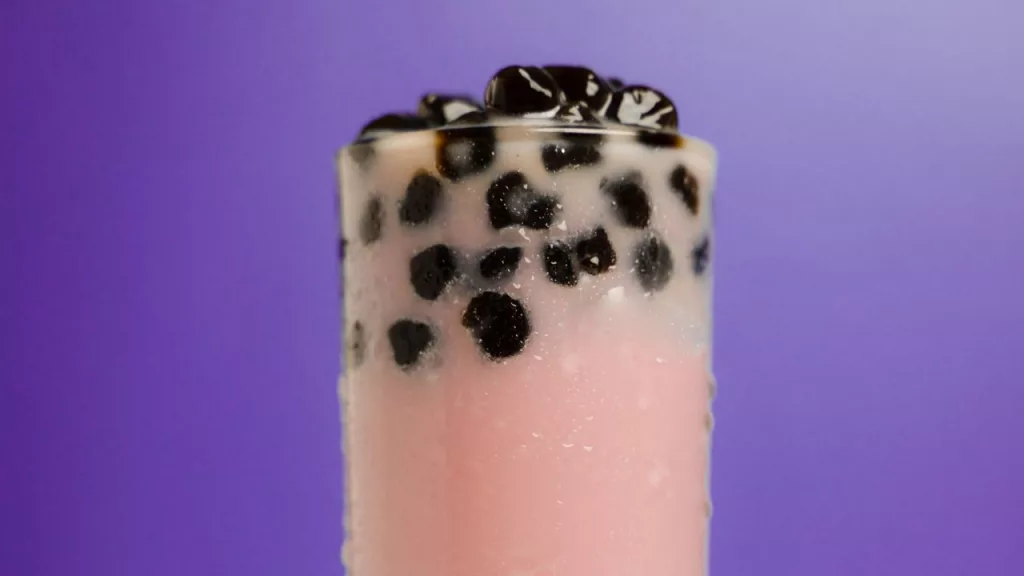
When it comes to bubble tea, toppings are half the fun. Some people are all about tapioca pearls, others just want as many jellies and popping balls as possible. Whether you’re setting up a shop, adding bubble tea to your café menu or just trying stuff out at home, it helps to know what’s what.

We test every topping we stock as a team before bringing it in, so if it’s on this list, it’s something we stand behind.

1. Tapioca Pearls

The original topping. Black tapioca pearls are what most people think of when they picture bubble tea. Chewy, sweet, and still one of the best options for milk teas.

Types we stock:

  • Regular black pearls
  • Quick cook brown sugar pearls
  • White pearls
  • Instant tapioca pearls

Best with: Milk teas (classic, brown sugar, matcha etc.)
Can work in: Fruit teas, but depends on the flavour. Some people like a chewy addition to their fruit tea, some might find it a bit too savoury in a sweet drink. All depends on personal taste.

2. Coconut Jelly

Fruity and comes in loads of flavours. These are cut into strips and add colour and texture to any fruit tea. We even stock some star-shaped ones.

Best with: Fruit teas and sodas
Less chosen in: Milk teas, the syrup can taste odd with dairy

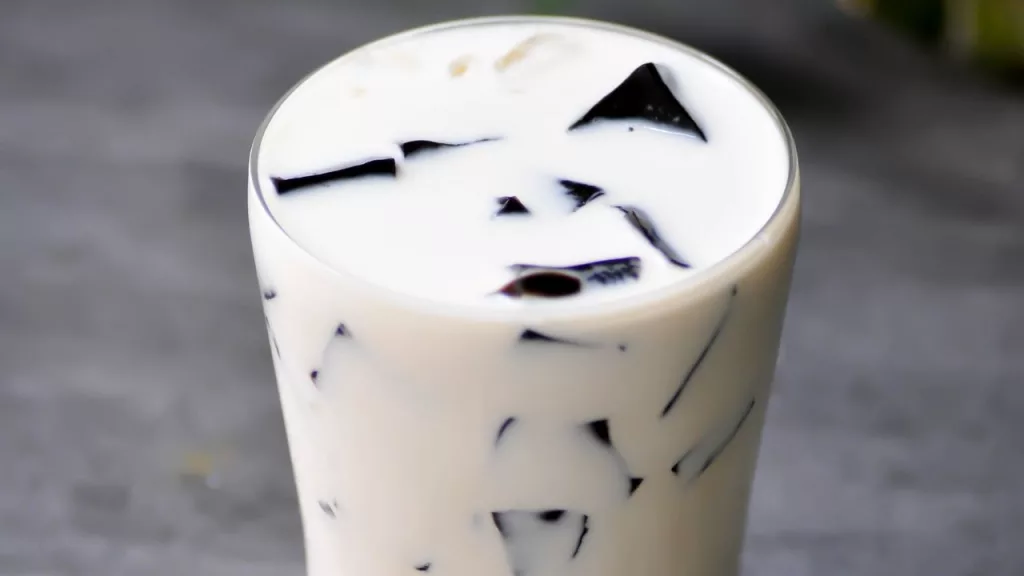
3. Herbal Jelly

Soft, slightly bitter and cooling. It's made with herbal jelly powder and is a proper Taiwanese classic. It tastes great if your drinks aren’t too sweet.

Good in:

  • Milk teas (especially roasted or unsweetened ones)
  • Fruit teas, if you want something less sugary

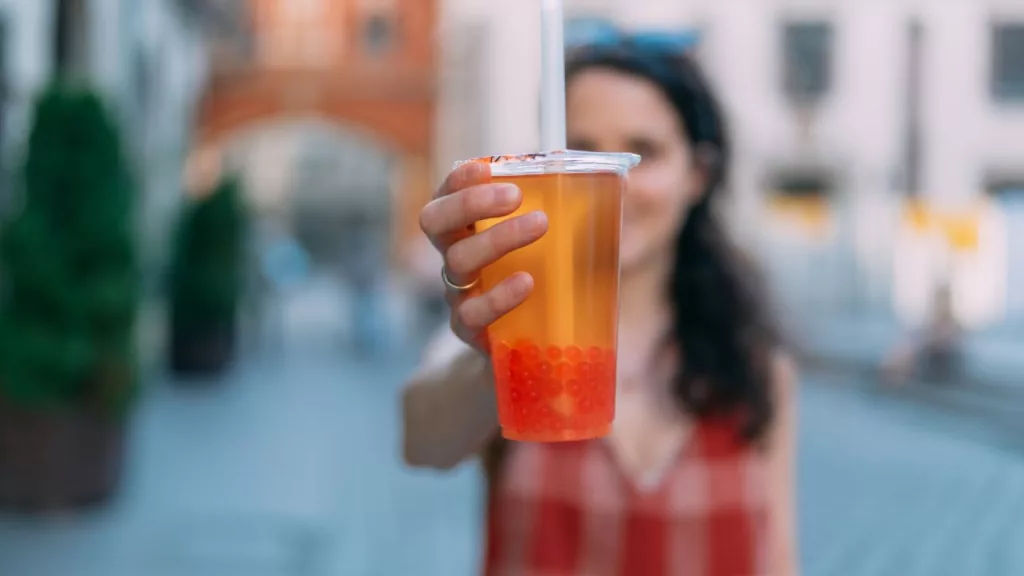
4. Popping Balls

Popping balls are filled with flavoured syrup that bursts when you bite in them. They are super sweet and colourful and are especially popular among kids and people that are new to bubble tea.

Best with: Fruit teas
Less chosen in: Milk teas as the taste could clash with dairy and can taste a bit odd

5. Caramel Pudding

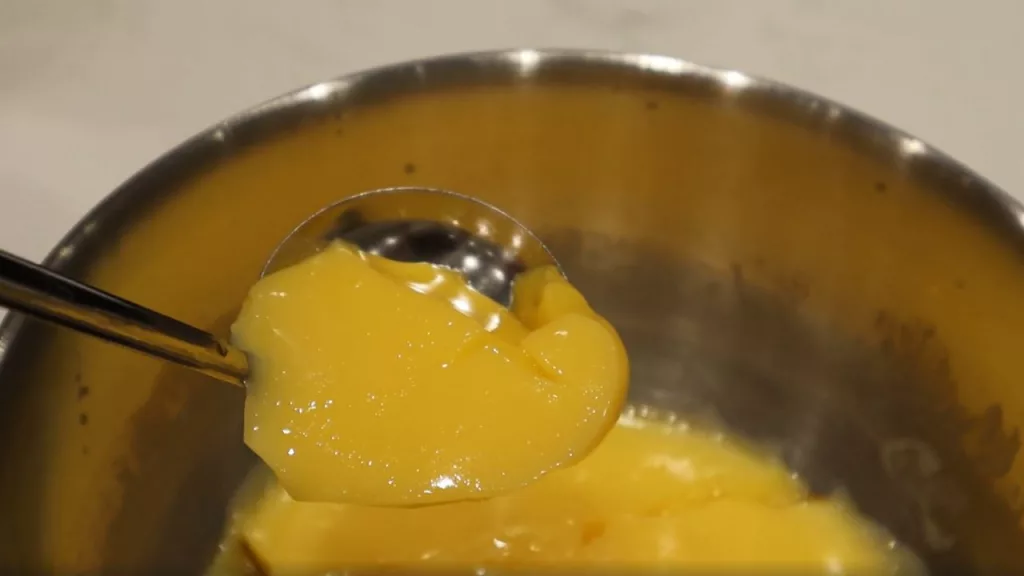
Smooth, soft, and slightly sweet. This tastes great if you want to offer a creamy, custard-style topping. We stock a powder that makes this easy to whip up fresh in-store in just 2 hours (2min preparation, the rest is cooling down in the fridge).

Best in milk and fruit teas.

6. Sweet Red Bean and Diced Taro

These two bring a more traditional dessert feel to your drinks.

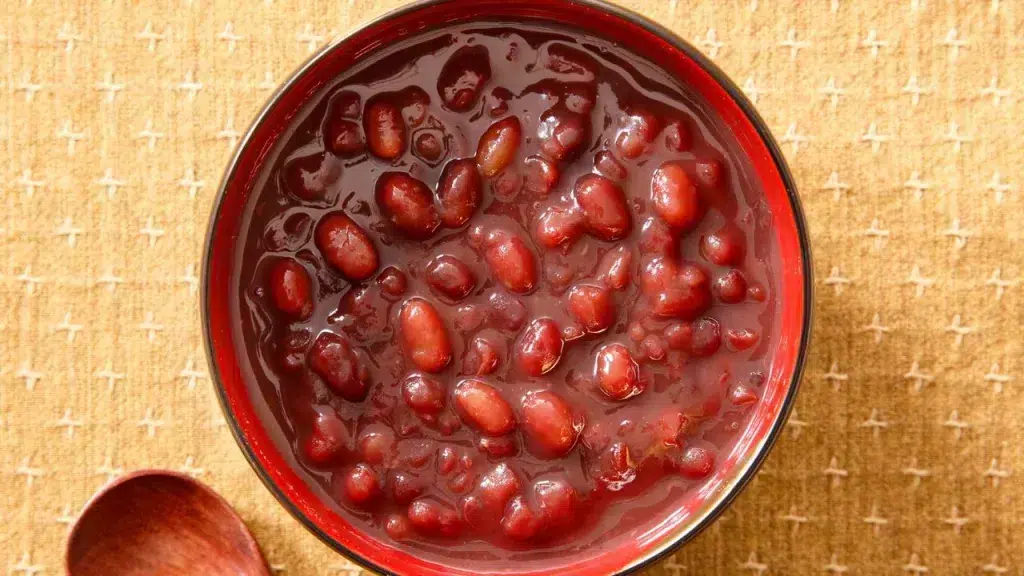
Red bean

Red beans are soft, sweet and earthy. Works well with matcha.

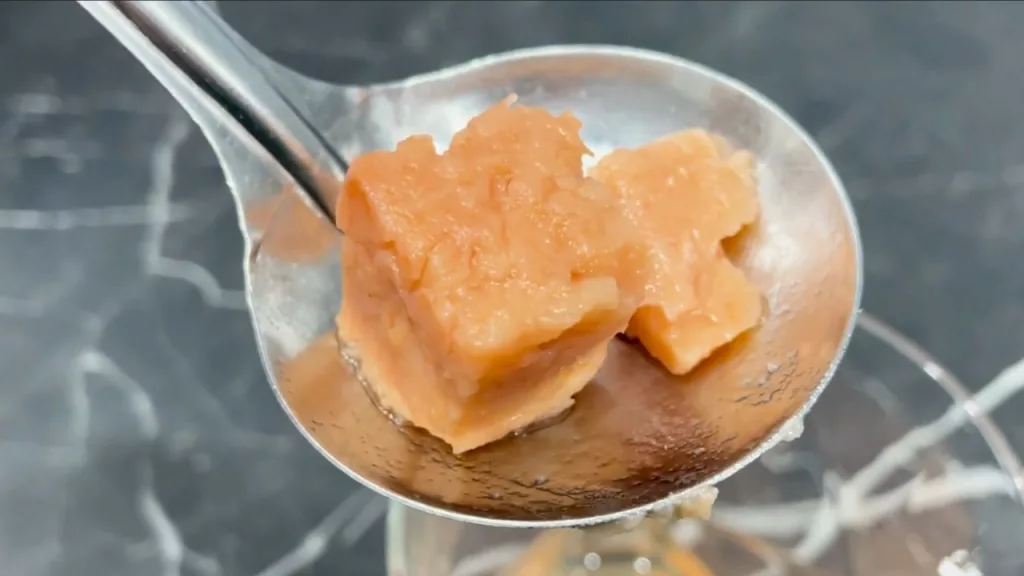
Diced taro

Taro tastes starchy, subtle and comforting. Taro is a big staple in Taiwanese desserts like shaved ice and hot taro soup.

Both are

Best in: Milk teas (especially classic, matcha, roasted, taro)
Less chosen for: Fruit teas as they might be too heavy and savoury for the sweet fruity flavour

7. Q Mochi

These are bouncy and chewy, Q mochi is a topping that sits somewhere between pearls and jelly. Great for customers who want something fun but not overly sweet.

Q mochi can be added to both fruit and milk teas. They are bit lighter and less savoury than tapioca pearls.

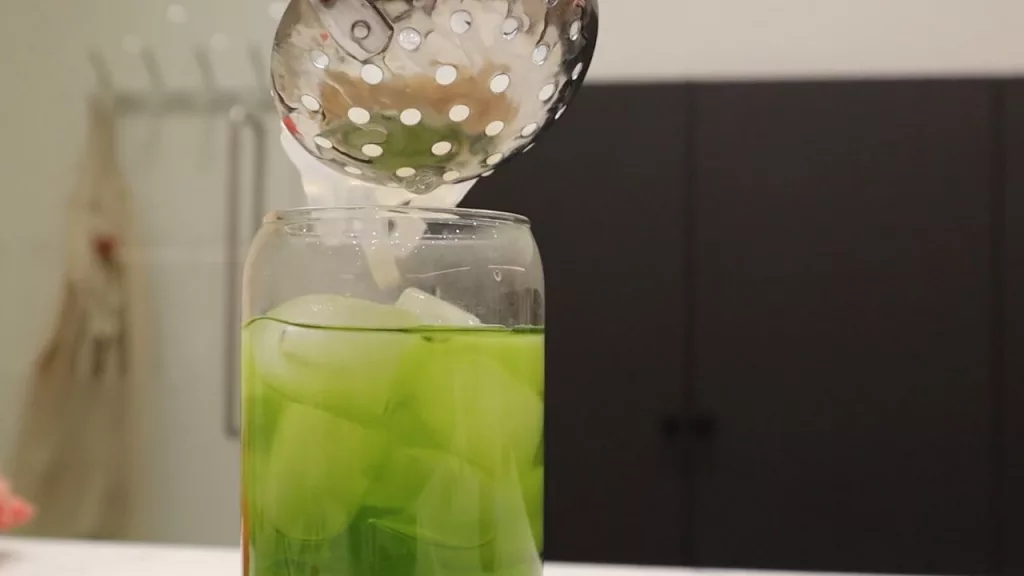
8. Aloe Vera

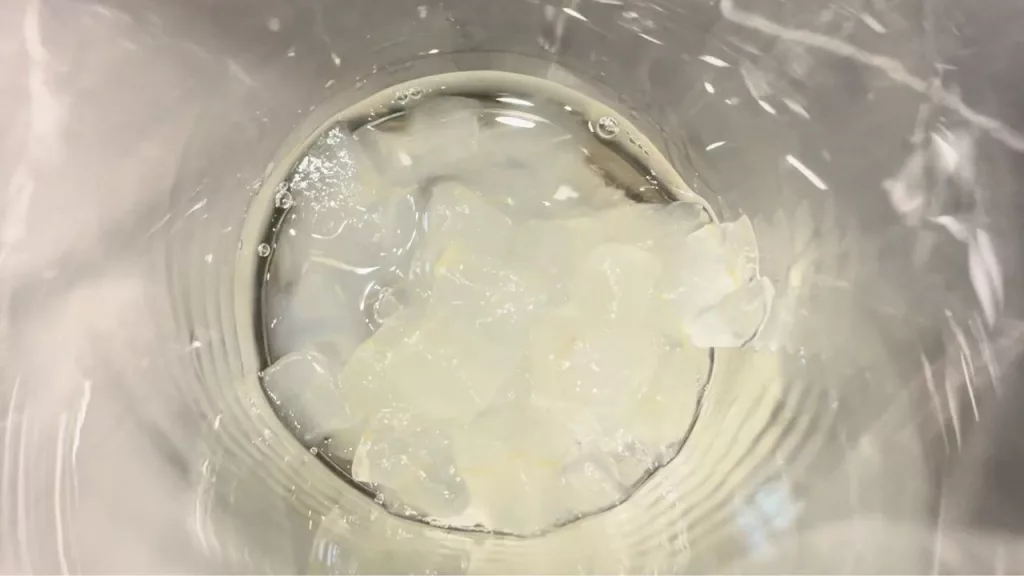
Aloe vera is really similar to coconut jellies, but has a different shape and is a bit lighter than coconut jelly.

Bonus: aloe has that functional edge. Some people like it for digestion or skin hydration, so it gives your menu a slight wellness angle.

Best in: Fruit teas, iced teas, green tea blends. It can also work in milk teas, but depends on personal preference.

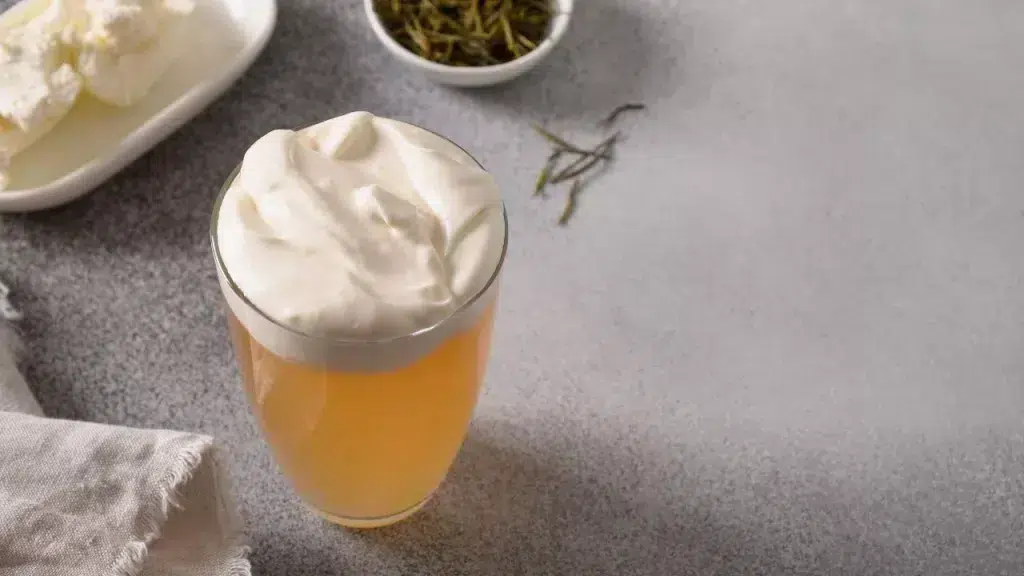
9. Cream Foam

Cream foam is a modern and luxurious bubble tea topping. It adds a rich, thick layer on top of drinks without overwhelming the flavour underneath.

We stock five types of cream foam powder, all easy to mix and whip fresh.

Perfect in any type of bubble tea.

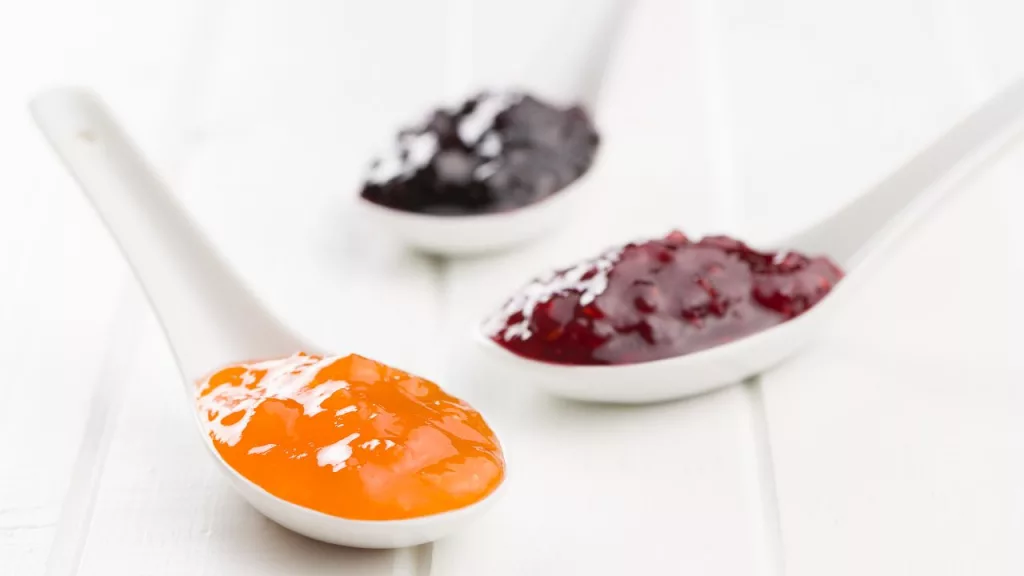
10. Fruit Jams

Real fruit pieces or thick purées can be layered into drinks or used in blended options. They’re not technically a “topping” but they do influence texture and flavour significantly.

Best suited to fruit teas, smoothies and layered drinks. It adds a premium feel when visible in clear cups.

Topping Pairing Summary

Topping Best In
Red bean, taro Milk teas
Coconut jellies, popping balls, aloe vera syrup, fruit jams Fruit teas
Tapioca, Q mochi, herbal jelly, caramel pudding, cream foam Both

The Right Toppings for Your Shop

Choosing toppings isn't just about what tastes good. It's also about how your drinks are served, what kind of customers you attract, and the experience you're trying to create. Here's how you can think about toppings depending on your shop concept.

Classic Bubble Tea Shop

In a more traditional bubble tea shop, customers usually want the familiar favourites. Tapioca pearls, coconut jelly, popping balls, and herbal jelly are staples that people recognise and enjoy. A brown sugar milk tea with pearls or cream foam is a reliable go-to. This type of shop works best when you offer customisation, so customers can pick and mix their own textures.

Fruit Tea-Focused Concept

If your drinks lean more towards fruit teas, toppings should stay light, juicy and refreshing. Aloe vera, fruit jellies, and popping balls are ideal here. They complement bright, fruity bases without making the drink too heavy. Star-shaped jellies look especially good in clear cups and work well with flavours like lychee, grapefruit or yuzu. Think visually and let the drinks feel clean and crisp.

Fast-Service Kiosk

Speed and simplicity matter most in fast-service setups. You want toppings that are quick to scoop and hold their texture throughout the day. Instant tapioca pearls, Q mochi, sweet diced taro, sweet red bean, popping balls, coconut jellies, aloe vera syrup and fruit jams are the most practical choices as the come ready-to-go. Drinks need to look good and taste fresh, even if they’ve been sitting for a few minutes after being made. This is also a good setup for fun toppings that catch the eye.

Artisan or Premium Shop

If you’re building a more premium brand, toppings can help express your identity. Ingredients like Q mochi, red bean, diced taro and herbal jelly offer more texture and a sense of craftsmanship. These suit drinks that focus on technique, origin, or seasonal ingredients. Different cream foam flavours also give you room to be creative. Limited edition toppings, tasting sets, or small-batch specials work well here.

Wellness or Functional Drinks

For wellness-driven menus, toppings can help reinforce health claims or add nutritional value. Aloe vera and herbal jelly all pair well with lighter bases like green tea or jasmine. They don’t overpower the drink and add interesting textures while staying low in sugar. If you're offering drinks that focus on hydration, digestion or skin health, these toppings support that story.

Summary

We import everything directly from Taiwan. We test verything ourselves from the toppings to the powders, cups, and machines before adding it to our range. If we stock it, it’s because we think it’s worth using.

And we’re always trying new things. If there’s something you’ve heard of and want to try, or a flavour you think would fit your shop, just reach out.

Got questions about ingredients, suppliers, or setup? Let’s talk.

With the countdown to Christmas well and truly on, excitement is starting to build. Christmas is a time when many shops capitalise on festive cheer, offering seasonal menu items and promotions to increase in store foot traffic. This is true for bubble tea, with seasonal drinks becoming a huge hit in recent years. Christmas poses a great opportunity to add some popular drink iterations and themed recipes to your menu, increasing your sales and traction in this important period of the year. In this blog, we will discuss how to add some Christmas flair to your bubble tea menu!

Christmas-Themed Flavours and Ingredients

Over the years, several hearty flavours have become closely associated with Christmas. When developing festive drink ideas for your store, we would strongly suggest you consider some, if not all, of these flavours to make sure you create the jolly feel that your customers are looking for.

Pumpkin Spice: Pumpkin is a staple flavour for Autumn. From halloween right until Christmas, the smell of pumpkin draws in customers looking for a seasonal treat. It is no surprise that stores like Starbucks use pumpkin as a marketing ploy to increase business in Autumn and Winter months.

Cinnamon and Cloves: These spices capture the hearty, cozy feel of Christmas perfectly. Both are traditional ingredients for a range of Christmas desserts, and would be fantastic additions to any warm bubble tea drink.

Candy CanePerhaps the most recognisable Christmas decoration, candy canes would be a perfect topping or garnish for your seasonal drinks, helping to really evoke that festive feeling.

ChocolateThe last ingredient to mention is chocolate. A beloved flavour year round, chocolate is particularly great in colder months, when people are more inclined to go for a sweet and warm indulgence like hot chocolate.

mulledwine_spiceandcloves

Tips for Designing your Christmas Menu

Use Christmas Colours: RED AND GREEN! There is no colour combination more closely associated with the festive period than the classic red and green. Brand this on your menu and your marketing materials to give customers a clear indication that you have seasonal bubble tea specials!

Creative Naming: Using Christmas buzzwords in your seasonal drink names is a great way to increase customer intrigue. Names like “Ho Ho Hot Chocolate”, “Candy Cane Boba Bliss”, “Santa's Surprise” are creative and playful names that are bound to excite your customers. Christmas is a joyful time and a lot of people will buy products just to get their Christmas kicks for the day, so make sure to play into this!

Visual Design: We've already talked about red and green, but there are several more options for those looking to theme their menu, or even entire store. Use easily recognisable Christmas icons like Santa, Santa's Hat, Elves, Jingle Bells, Christmas Trees and Candy Canes. Creating a “Christmassy” in store environment can do just as much to attract customers as offering themed drinks. Depending on your budget and free time, designing your store windows and interior to fit the season is a great marketing tactic.

Hot Drinks: Christmas is a cold time of the year (at least in the UK!), so hot drinks are super popular! Many bubble tea store owners are not aware that hot bubble tea is a simple and delicious variation. Drinks like traditional milk tea are just as good when served warm, and can be much more appealing in these frosty months. Additionally, flavours, like cinnamon, chocolate and pumpkin, lend themselves perfectly to warm drinks. Consumers will love the idea of a toasty bubble tea to warm up after a long day in the cold!

christmas bubble tea

Marketing your Christmas Menu

In-Store Promotions: Consider offering seasonal discounts or promotions (Like “Buy One Get One Free”) in-store. Advertise these deals on your store windows, as well as online through social media.

Social Media Campaigns: Channels like Instagram stories are great ways to promote short-term offers and drive up excitement. Additionally, using hashtags and other engagement tactics to promote sharing can help to push your posts and deals to a wider audience.

christmasmarketingsocialmedia

Thanks for reading our guide. Hopefully these ideas have inspired you, and you have a better idea on how to add some Christmas flair to your bubble tea menu! It is a joyful time of the year, and people tend to be willing to spend a lot more on indulgent treats like bubble tea, so make sure to capitalise by catering your offerings to this amazing holiday.

Stay up to date with our seasonal Christmas recipes and bubble tea wholesale updates on our social media channels – Instagram & TikTok